
- Medicaid Pharmacy Reimbursement Changes Coming Soon (ashp.org)
Centers for Medicare and Medicaid Services late this month plans to publish a long-awaited official revision to the maximum allowable reimbursement amount for multiple-source outpatient drugs covered by state Medicaid programs...The revised amounts, known as federal upper limits, will become effective April 1 to coincide with provisions in the Covered Outpatient Drugs final rule...FULs were most recently updated in September of 2009...Starting in April, the agency plans to update the FULs monthly. State Medicaid plans will have up to 30 days to implement each set of new FULs...state Medicaid plans have flexibility to implement the new reimbursement model, as long as the state's plan is based on pharmacies' true drug acquisition costs...states have flexibility in setting their professional dispensing fees, including whether to use state or national data to calculate rates...CMS expects state Medicaid plans to provide "credible data" that demonstrates how their reimbursement plan accurately accounts for dispensing costs...States must consider the totality of reimbursement to pharmacies when they are looking at changes in either the ingredient cost or professional dispensing fee...State Medicaid agencies have until June 30, 2017, to submit their amended plans to CMS. The revised plans must go into effect by April 1, 2017.
- FDA Settles With Drugmaker in Fish-Oil Drug Marketing Case (abcnews.go.com)FDA deal with Amarin is unlikely to spark more off-label promotion (statnews.com)

The maker of a prescription fish-oil drug says it has reached a legal settlement that will allow it to promote unapproved uses of its drug for lowering fat levels...The closely watched case between Amarin and the Food and Drug Administration could strengthen the drug industry's hand in the ongoing debate over promoting drugs for uses that have not been declared safe and effective by regulators...FDA said...the settlement is "specific to this particular case and situation," and did not mark a new legal precedent...pharmaceutical experts said companies would likely pursue more aggressive legal action against FDA, in light of the settlement...We would expect companies throughout the country to ask courts to provide the same legal reasoning...Amarin won a surprise victory over the FDA when a U.S. District Court judge ruled that the company had a First Amendment right to distribute journal articles about unapproved indications for Vascepa (icosapent)...Drugmakers are not allowed to advertise drugs for "off-label" uses, or those that have not been cleared by the FDA as safe and effective. But companies' ability to distribute independent materials about their drugs — such as medical journal articles — has been subject to years of legal debate centering around the limits of "commercial speech."
- Retail clinics don’t save money. But when you hear the reason will you be OK with it? (medcitynews.com)Retail Clinic Visits For Low-Acuity Conditions Increase Utilization And Spending (abstract, sub. req.) (content.healthaffairs.org)
MinuteClinic Retail clinics, long seen as an antidote to more expensive doctor offices and emergency rooms, may actually boost medical spending by leading consumers to get more care...Rather than substituting for a physician office visit or trip to the hospital, 58 percent of retail clinic visits for minor conditions represented a new use of medical services, according to the study...the journal Health Affairs. Those additional visits led to a modest increase in overall health care spending of $14 per person per year...This challenges the conventional wisdom that retail clinics save the health care system money...The study doesn’t contradict earlier research that found retail clinics provide care that costs 30 to 40 percent less than similar care provided at a physician’s office and that the treatment for routine illnesses was of similar quality. But it suggests those savings are more than offset by increased use of medical services...health plans and employers should carefully consider how they cover care at retail clinics...If the goal is to lower costs...then encouraging use of retail clinics may not be a successful strategy...
- EMA sets clear rules for drug firms seeking clinical data redactions (outsourcing-pharma.com)

Drugmakers seeking to stop "commercially confidential information" being made public in trial reports will need to demonstrate the likely economic harm publishing it would cause...The European Medicines Agency made the comments in guidelines designed to help marketing authorization holders comply with its policy on trial data dissemination...The document...details how drug firms should submit clinical reports, how they should make patient-level data anonymous and when they can ask for commercially confidential information to be redacted...Clinical trial data redaction is a controversial subject. The agency has faced both challenges from companies concerned sharing data would benefit rivals and criticism from European Ombudsman Emily O’Reilly about information it has allowed to be omitted to date...the guidance the EMA stresses that "the vast majority of the information contained in clinical reports is not considered CCI (commercially confidential information)." It also warned that drugmakers should not routinely make redaction requests every time the submit a study.
- National Take-Back Initiative – April 30, 10:00 AM – 2:00 PM (deadiversion.usdoj.gov)
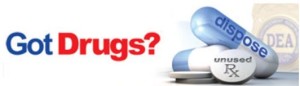
The National Prescription Drug Take-Back Day aims to provide a safe, convenient, and responsible means of disposing of prescription drugs, while also educating the general public about the potential for abuse of medications.
- Pharma whistleblower takes on India’s drug regulators (statnews.com)

The whistleblower who exposed quality problems at one of India’s largest generic drug makers is now taking on the Indian government...Dinesh Thakur, whose work helped US authorities obtain a $500 million fine from Ranbaxy Laboratories three years ago, wants to force the Indian government to follow safety laws and also create one central regulator for the entire country...He claims the country’s fractured system of separate regulators for 37 states and territories, not only leads to inconsistent and spotty oversight, but also violates the constitution...A hearing at the Indian Supreme Court is scheduled...
- Surprise proposal: Medicare wants to jump on the value-based pricing bandwagon (fiercepharma.com)
Doctors and cancer clinics are up in arms about a new Medicare reimbursement scheme that would cut their mark-ups on oncology drugs. But the Centers for Medicare and Medicaid Services has even bigger plans for cancer-drug payments...Pay-for-performance deals and indication-specific reimbursements are on a list of 6 programs CMS plans to try alongside the cuts targeted at physicians and hospitals. It's a rare example of Medicare plucking new ideas from the private sector, even before they've been widely adopted in the biopharma industry...CMS says it looked to private payers for "value-based purchasing tools," and wants to use strategies similar to those used by commercial health plans, pharmacy benefits managers, hospitals and other benefits managers...the agency would experiment with the sort of value-based reimbursement plans that Novartis and Amgen are using on their brand-new heart drugs Entresto and Repatha. CMS says it will be seeking "risk-sharing" deals with drugmakers to link drug payments with patient outcomes...In practice, performance-based deals can be difficult to administer, and that's one reason why U.S. payers have been reluctant to make pay-for-performance arrangements on Entresto...A U.K. government report found that the National Health Service had fallen short on clawing back rebates owed under its cost-sharing deals with drugmakers.
- Intrexon says FDA finds anti-Zika mosquito environmentally safe (reuters.com)FDA Publishes Preliminary Finding of No Significant Impact on Oxitec’s Self-limiting Mosquito (oxitec.com)

A genetically engineered mosquito being used in the fight against Zika will not have a significant impact on the environment, the maker Intrexon Corp said, citing preliminary findings from the U.S. Food and Drug Administration...Males of the self-limiting strain of the Aedes aegypti mosquito are modified so their offspring die before being able to reproduce, says Intrexon...The FDA findings agree with the draft environmental assessment submitted by Oxitec, the UK unit of Intrexon that developed the mosquito.
- Higher prices, changing preferences are driving an increase in drug spending (statnews.com)

Rising prices and a shift toward more expensive medications are driving the increases in prescription drug spending, according to a new report from the Department of Health and Human Services...From 2013 to 2014, drug spending rose by an estimated 12.6 percent, ending a period of slower growth that had started in 2008...Drug spending is projected to rise again to $457 billion in 2015 — up from $424 billion in 2014 — and to continue to outpace the growth in overall health care spending through 2018...Prescription drugs will account for about 16.7 percent of all US health care spending in 2015, up from a recent low of 15.3 percent in 2013...What explains this trend in drug spending? The growing number of prescriptions was one factor, but that alone was not enough to explain why spending rose so much, according to the report...The report attributed most of that growth to more prescriptions being prescribed per person, while the rest of the growth resulted from an overall population increase...higher prices were a major factor, too...The report "ignores the tremendous value medicines provide to patients, including many that offer improved treatment options for conditions that previously had few or no options..."said PhRMA...
- US FDA backlog holding up revamp of inactive ingredients database (in-pharmatechnologist.com)
The process of sorting out problems with the US FDA's controversial Inactive Ingredients Database is shaping up to be a huge task, particularly as the agency is working through a backlog of missing updates extending back several years...The IID is a listing of inactive ingredients found in FDA-approved drug products, and is meant to be updated in a consistent manner as new medicines and their excipients are given the go-ahead by the regulator...it emerged recently that - from around 2005 - FDA resource constraints meant that the IID was not being updated at all with new excipient listings, and was left in hiatus for around a decade...If the database is not reliable, the review times for new medicines can be extended and may lead to applications being refused, according to excipient trade body IPEC-Americas...The agency is now working hard to work through the backlog of applications...There are still major concerns about the quality of the data in the IID...the IID has become peppered with inaccurate information that has compromised its integrity, including inaccurate ingredient names and potencies and ingredients listed as a percentage with no indication of basis units...Overall, the FDA says it is aiming to transform the IID into a complete, fully-searchable database that will link into other databases on nomenclature, toxicology etc and accommodate electronic submissions, to eliminate data entry errors and potentially allow it to be updated in real time...