
- France raises concerns about heparin made by Dongying Tiandong (in-pharmatechnologist.com)

French regulators have raised concerns about heparin made by Chinese supplier Dongying Tiandong Pharmaceutical and called on the EMA to revoke its GMP certificate...a report filed on the European Medicines Agency’s EudraGMP database last week , ANSM inspectors who visited the firm’s facility in Dongying City in December observed 10 deviations from good manufacturing practices standards...The ANSM inspectors said Dongying had used seven batches of out of specification crude heparin to make active pharmaceutical ingredients between 2014 and 2015, which they said indicated a misunderstanding of the basic GMP principles...According to Dongying's website, the firm passed a US Food and Drug Administration inspection in 2013 and was been cleared to supply heparin sodium and enoxaparin sodium APIs by Mexican authorities in 2014.
- Ky. Senate Bill Aims to Stay Ahead of Biological Pharmaceuticals (wkms.org)

The Kentucky Senate...approved legislation in preparation for an expected increase in the use of biologically similar medications. The bill’s sponsor says these medicines can substantially save on costs when treating certain diseases...more medications for specific ailments are biological products made from living organisms. Bio-similar drugs, which are much cheaper, are being produced as interchangeable medicines...legislation allows pharmacists to dispense bio-similar drugs in the place of biologics without having to notify the doctor in advance...pharmacists would still be required to notify doctors of interchangeable bio-similar drugs within five days of dispensing. "If a patient has a reaction to a drug and I think I’m prescribing them drug A and you’ve given them drug B, and they may have to come to the hospital with a reaction, I’m the one treating them and assuming that liability," Alvarado (Winchester Senator, Doctor Ralph Alvarado) explained. "I have to know what drug you gave them..."
- Pharma goes to court in Ohio to stop drug pricing ballot initiative (statnews.com)
A skirmish over drug pricing escalated...when the pharmaceutical industry filed a lawsuit to prevent consumer activists in Ohio from pursuing a ballot measure designed to lower the cost of medicines...The Pharmaceutical Research and Manufacturers of America contends that the activists failed to legally obtain the signatures needed to get their measure on the state ballot. Known as the Ohio Drug Price Relief Act, the proposal would require the state to pay no more for medicines than the Department of Veterans Affairs...The ballot measure is one of a growing number of maneuvers around the country to combat rising prescription drug prices. A similar measure recently qualified for the ballot in California, despite opposition from the pharmaceutical industry...The lawsuit in Ohio follows weeks of jockeying between the activists, the trade group, and elected officials over the process for gathering and approving signatures...While the ongoing dispute focuses on the technical procedures involved in winning space on the state ballot, the clash is really about the cost of medicines...pharmaceutical industry...strongly opposes any efforts to impose price caps or encourage negotiations over prices...
- Bass associate accuses PTO officials of bias against their pharma patent crusade (fiercepharma.com)
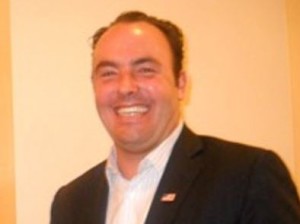
Hedge funder Kyle Bass and his Coalition for Affordable Drugs has been somewhat successful at using a new type of patent challenge to push review of "questionable" drug patents. But Bass' partner in that effort now says he doesn't trust the Patent & Trademark Office to be impartial in making those decisions...Erich Spangenberg, in an article at IPWatchdog, says PTO chief Michelle Lee and her staff have favored pharma since Bass announced last year that he and his group would target pharma patents via the inter partes review process...according to the documents, Lee and other PTO officials sat down with the industry association BIO...Bass and Spangenberg themselves called and emailed repeatedly to request a similar meeting, and they're still waiting... It's an outrage that Ms. Lee is showing incredible bias by granting meetings to the people that are gouging American patients, consumers and taxpayers and denying the same access to the people who are attempting to end this abuse...Some analysts have criticized the coalition for targeting inconsequential patents that aren't likely to change the length of a company's monopoly hold on the market, while profiting from shorting the shares of the same company. In a PTO filing, the coalition has acknowledged that Bass and his group don't have altruistic motives, but maintains that his profit motives "do not change the social value of his activities."...
- What is the Status of Birth Control Prescribing Among California Pharmacists? (pharmacytimes.com)
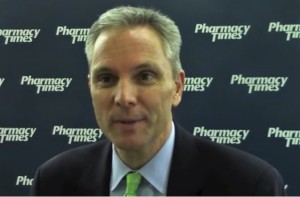
Jon Roth, CEO of the California Pharmacists Association, discusses the status of birth control prescribing among pharmacists in California.
- States Remove Barriers To Physician Assistants (forbes.com)
An increasing number of states are granting physician assistants more autonomy to increase access to patients amid a shortage of doctors and an influx of patients with health insurance under the Affordable Care Act...states are removing bureaucratic barriers that in the past led to redundant tasks or slowed the ability of patients to get the care they needed...for example, Gov. Chris Christie...signed into law legislation that removed the so-called "countersignature requirement," which previously required the PAs’ collaborating physician to countersign all medical orders...lawmakers passing such legislation say they are essentially granting physician assistants the ability to do what they are trained to do. Most have a two-year master’s degree, often from a program that runs about two years and includes three years of healthcare training...PAs are being granted "full prescriptive authority," which will allow them to write prescriptions for controlled substances. Legislation is wending its way through the Florida legislature that would make the state the 49th to have the ability to write such prescriptions.
- Do Prescribing Doctors Act on Pharmacist Recommendations? (specialtypharmacytimes.com)
Among their list of responsibilities, pharmacists serve as an important member of an interdisciplinary care team to protect patient health and safety while minimizing costs...Existing literature shows that by communicating recommendations to prescribing doctors, pharmacists can help to measurably reduce costs, control chronic diseases like hypertension, diabetes, and hyperlipidemia, and improve patient outcomes...The prevalence of prescribing doctors acting upon pharmacist recommendations has been previously studied, with results ranging anywhere from 31% to 81%. Most assessments find that a pharmacist’s recommendation succeeds in modifying a doctor’s prescription about 50% of the time...Doctors are more likely to accept pharmacist recommendations intended to save costs (versus safety or guideline adherence), and they are more likely to accept recommendations to change or stop a medication (50%) than they are to start a new medication (41.7%)...
- High Drug Prices Prompt Demands for Transparency (realclearhealth.com)

Outraged by exorbitant prices for certain prescription drugs, lawmakers in at least 11 states have introduced legislation that would require pharmaceutical companies to justify their prices by disclosing how much they spend on research, manufacturing and marketing...The sponsors of the measures say they have a variety of goals: to educate policymakers and consumers about the reason for high prescription drug prices; to shame pharmaceutical companies into moderating their prices; and, in some states, including Massachusetts, to actually place a ceiling on prices that are determined to be unjustified...A handful of transparency bills were filed last year, but none of them passed...The industry insists that it is being unfairly targeted by the transparency measures, pointing out that prescription drugs account for only 10 percent of health care spending in the United States, $300 billion out of $3 trillion per year...Some experts in drug pricing who are sympathetic to the goals of the transparency bills are dubious that they will accomplish what their sponsors hope...
- Telling docs they overprescribe addicting drugs doesn’t make them stop (reuters.com)

Government letters informing doctors they're prescribing vastly more addictive drugs than their peers fall on deaf ears...The doctors...were all writing far more prescriptions for drugs like opioid painkillers than doctors in similar specialties practicing nearby - but the letters didn't lead to changes in prescribing...I think if there is a way to make these letters effective it may be one tool in the arsenal to curb the high rate of opioid deaths...
- Europe launches new fast approval scheme for promising drugs (reuters.com)PRIME: priority medicines (ema.europa.eu)

European regulators launched a new scheme...to speed the approval of promising new drugs that address unmet medical needs by offering enhanced support to medicine developers as they work on clinical trials...The European Medicines Agency's initiative called PRIME, which stands for PRIority MEdicines, is the latest example of regulators on both sides of the Atlantic working to evaluate truly innovative drugs more swiftly than in the past...The European agency said it expected around 100 applications a year for its new PRIME scheme, which aims to foster better planning of medicine development to help companies generate the data needed for approval more rapidly...Experimental drugs accepted into the program will get continuous support from an EMA expert, who will be appointed early in the process and provide guidance on overall development plans and regulatory strategy.