
- The untold story of TV’s first prescription drug ad (statnews.com)
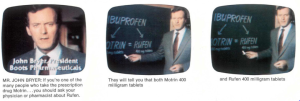
On May 19, 1983, Boots aired the first broadcast television commercial in the United States for a prescription drug, the pain reliever Rufen...Within 48 hours of the ad’s airing, the federal government told the company to take it down. And more than 30 years later, the fight over marketing prescription drugs directly to the public is still raging...Now, the American Medical Association, the largest doctors group in the United States, wants to stop direct-to-consumer advertising for prescription drugs in the belief that the ads encourage patients to seek medicines unnecessarily. But the effort to have drug ads banned alongside tobacco ads will face plenty of obstacles, none bigger than the First Amendment. Perhaps the most unusual thing about this decades-long saga is that it’s an issue at all...The United States is one of only two countries in the world to allow these ads. How did this little-noted example of American exceptionalism come to be?...It started with Boots.
- FDA MedWatch warns of bad lots of baclofen from Taizhou Xinyou Pharma API plant (fiercepharmamanufacturing.com)

The FDA is warning compounders to be on the alert for batches of baclofen APIs manufactured at the Taizhou Xinyou Pharmaceutical and Chemical plant in China because of the risk of contamination with particulates...The FDA MedWatch alert said the products shouldn't be used to compound sterile injectable drugs and asks that health professionals in the fields of anesthesiology, pain management, neurology and pharmacy to be on the alert for any such batches made at the plant based in Taishou City, Zhejiang Province...last month, it was reported the FDA cited a Pfizer plant in China while U.K. regulators recently found shortcomings at a GlaxoSmithKline plant there. About 40 facilities in China are currently on the regulatory agency's import ban list.
- Make Doctor’s Licenses Like Driver’s Licenses? Medical Groups Say No (realclearhealth.com)

A doctor licensed in one state who wants to practice in another still needs a license from the other state. That’s a costly and time-consuming process, especially in an era when many health plans and their employees operate across state lines and the use of telemedicine, in which patients and their providers interact from a distance, is growing...But the state licensing situation for doctors...is starting to change...Doctors...are creating their own multistate compact...it will provide an expedited application process to get licenses in other states...The main obstacle to portability for all the professions is that they are regulated by the states, each of which is free to demand its own qualifications — and collect its own fees — for licensing. To achieve portability, states either have to standardize their licensing requirements or agree to live with the differences, so long as there are some baseline qualifications accepted by all...doctors have created a compact that the Federation of State Medical Boards says will offer an expedited and cheaper process for getting a license to practice in member states. So far, 11 states have joined the compact, with nearly an equal number expected to join next year. Telemedicine advocates and doctors who use telemedicine say the doctors’ portability model, which still requires full licensure in every state, will impede the spread of telemedicine, particularly in rural areas that have a shortage of doctors.
- 7 largest data breaches of 2015 (healthcareitnews.com)

More than 720 data breaches occurred this year, and the top seven cyberattacks alone have left more than 193 million personal records open to fraud and identity theft...Of the seven, the healthcare industry has the dubious honor of three top spots, with the Anthem breach leading the pack...Our research indicates that cybercriminals are increasingly going after targets in the medical and healthcare verticals, which store valuable patient data that can't be reissued like a credit card...Each of the top seven data breaches compromised more than 5 million records, indicating that attackers are becoming stealthier, are employing more sophisticated techniques and are going after bigger and more lucrative targets...The top 7 breaches:
- Excellus BlueCross BlueShield
- Premera Blue Cross
- Vtech
- Experian/T-Mobile
- OPM
- Ashley Madison
- Anthem
- Reckitt Benckiser misled consumers on Nurofen painkillers: Australian court (reuters.com)
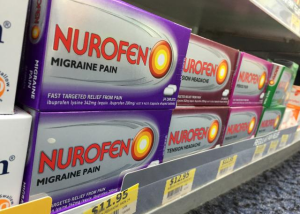
An Australian court ordered Reckitt Benckiser to pull several of its Nurofen pain relief products from the market, saying...the British firm had misled consumers by marketing identical products for different types of pain...The Federal Court ruled that the Nurofen Back Pain, Period Pain, Migraine Pain and Tension Headache products were identical and that Reckitt Benckiser had "engaged in misleading conduct" by labeling them for different ailments...We have known for years that they are all the same,"..."We have been advising our customers to go for the standard painkiller which is cheaper."...Nurofen specific-pain relief products were sold at almost double the price of Nurofen's standard painkiller...Patty O'Hayer, a spokeswoman for Nurofen's UK-based parent Reckitt Benckiser, said had agreed to amend its Australian packaging to show the specific-pain relief products were effective against other types of pain as well, adding this was to prevent any confusion over dosing...
- HHS partners with pharmacies to enroll more people in ObamaCare (pharmacist.com)HHS partners with nation’s largest pharmacies to promote Health Insurance Marketplace (hhs.gov)
Partners represent more than 38,000 pharmacies across the country...Department of Health & Human Services announced that it is partnering with pharmacies across the United States in an effort to sign up more individuals for ObamaCare health coverage for 2016 as the deadline fast approaches...Participating pharmacies, including CVS Health, Good Neighbor Pharmacy, Thrifty White, Rite Aid, and Walgreens, will make people aware of health insurance options through the online health insurance marketplace...Participating pharmacies will have trained enrollment personnel available to work directly with consumers in the stores. Pharmacies will also host local enrollment events and distribute educational resources about their health insurance options through the online marketplace...
- Facing an anti-venom shortage, WHO tries to mobilise new suppliers (in-pharmatechnologist.com)

Sanofi said earlier this year...would stop making one of the most effective treatments for snakebite - FAV-Afrique - claiming low-cost alternatives from producers in India, Brazil and Mexico had made the product unprofitable...FAV-Afrique is a polyvalent product that counters the toxins of some of the world's most deadly venomous snakes...The WHO says that the prospect of FAV-Afrique stocks running out in 2016 is causing "dismay" among public health experts and advocates..,A recent editorial in the British Medical Journal...took a slightly different tack, however, saying that FAV-Afrique's withdrawal from the market will make little difference to most people in Africa...The high cost of the drug - around $540 per four vial treatment - meant that "the product simply never reached them in the first place", leaving many people in Africa reliant on treatment from traditional healers...Compounding the issue is that unscrupulous individuals have taken advantage of poor regulatory oversight in some countries and introduced unapproved and counterfeit anti-venoms into the market - with data...indicating that fatality rates rose after the use of these products...gaps in the supply of anti-venoms in the last few decades has "cumulatively cost millions of lives, maimed millions more, and contributed to the burden of poverty and disenfranchisement that lingers heavily.
- Drug approvals top 2014 high but R&D returns still struggle (reuters.com)
The number of new drugs approved in the United States this year has already topped last year's 18-year high, yet large pharmaceutical companies are still struggling to get a decent return on their research dollars...returns on research and development spending by the world’s top drugmakers have fallen to just 4.2 percent, or less than half the 10.1 percent recorded in 2010...The mismatch between the rising number of drug approvals and falling returns reflects the fact that each new medicine is expected to yield significantly lower average sales, while costs are continuing to rise...We are now seeing a trend for companies to return more money to shareholders through dividends and share buybacks than they are investing in the future through R&D, licensing and acquisitions...Many...new treatments...are targeted at niche patient populations and are designed for treating rare diseases or very specific sub-types of cancer, limiting their sales potential...the rapid pace of new drug launches is forecast to continue, with 225 new drugs expected to be approved between 2016 and 2020...
- Pharmacy Robber Sentenced to 141 Months for Conviction on Federal Hobbs Act, Drug Trafficking and Firearms Charges (dea.gov)
Victor Hurtado, 21, of Albuquerque, N.M., was sentenced...in federal court to 141 months in federal prison for his conviction...arising out of a pharmacy robbery...Hurtado will be on supervised release for five years after completing his prison sentence...The indictment...alleged...
- violated the Hobbs Act by interfering with interstate commerce by robbery and violence;
- brandished a firearm during a crime of violence;
- violated the Controlled Substance Registrant Act by robbery involving controlled substance;
- violated the Safe Doses Act by theft of medical products; and
- possessed Oxycodone with intent to distribute.
The charges...arose from...armed robbery of the Smith’s Pharmacy...Albuquerque...Hurtado...jumped over the counter while brandishing a firearm, and ordered the pharmacist to open the safe where controlled substances were kept...admitted pointing the firearm at the pharmacy employees to gain their compliance, and stealing bottles of Oxycodone and other drugs from the pharmacy’s inventory.
- Drug maker challenges tribal court’s right to hear lawsuit (statnews.com)
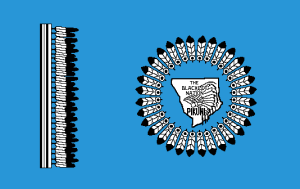
Blackfeet Nation Flag
In an unusual move, Takeda Pharmaceuticals asked a federal appeals court to rule that a Native American tribal court does not have jurisdiction over a lawsuit which could expose the company to enormous liability...The effort marks the first time that a drug maker has taken such a step...underscores the risks facing the pharmaceutical industry amid a proliferation of lawsuits filed by patients who claim they were harmed by medicines...The case against...Takeda...was filed...by a member of the Blackfeet tribe who claims he developed bladder cancer after taking the Actos diabetes drug for several years...At issue is whether Native American tribal courts have jurisdiction over civil lawsuits filed against those who are not Native American. This matters to Takeda because in the US state and federal court system, a company that loses a case has the right to seek an appeal. But if a company loses a case in tribal court, it cannot appeal to a federal court. In other words, Takeda has no recourse if it loses the case…Indian tribes are independent sovereigns and not subject to federal court review, except on the huge question of whether they have legal jurisdiction in the first place...