
- Drug firm to pay $4m to settle investor fraud charges (statnews.com)

Aveo Pharmaceuticals agreed to pay $4 million to settle charges that it misled investors about efforts to obtain regulatory approval for its flagship drug, a kidney cancer treatment called Tivozanib, the US Securities and Exchange Commission said today...the agency is still pursuing a case against three former executives...The biotech allegedly concealed concerns that the Food and Drug Administration had about the medicine in public statements to investors. In particular...failed to disclose that FDA staff had recommended...that the company should run a second clinical trial to address issues concerning patient death rates that were seen during an earlier clinical trial...A spokesman for Aveo..."we hope to have this matter behind us and to be able to pursue our new strategy without being distracted by these claims" The new strategy...includes running a second Phase III study for the...drug...
- Novartis is accused of paying bribes in Turkey to boost prescriptions (statnews.com)Turkish prosecutor opens bribery probe into drugmaker Novartis (reuters.com)

An anonymous whistleblower has accused Novartis of paying bribes in Turkey by using a consulting firm to boost the use of its medicines...The alleged bribes reportedly resulted in $85 million in benefits to Novartis...The firm aided the drug maker by getting medicines added to formularies, or list of medicines that were approved for use in government-run hospitals...The consulting firm also helped Novartis avoid price cuts in other countries by winning government approval to change the names of two medicines...The Alp Aydin Consultancy was paid the equivalent of $290,000 plus costs in 2013 and 2014, but the relationship ended after the Turkish Social Security Institution began an investigation...A Novartis spokesman confirmed that an internal investigation is under way...We take any allegation of inappropriate behavior extremely seriously and investigate all allegations thoroughly...Over the past few years, a growing number of companies have been enmeshed in bribery scandals, some of which have resulted in large fines...Whether US authorities will investigate remains unclear...the allegations, which could not be independently confirmed, would also be passed along to the DOJ and the Securities and Exchange Commission...
- One year after Zarxio approval, future of biosimilars remains unclear (modernhealthcare.com)Biosimilar drugs could save up to $110 billion by 2020: IMS (reuters.com)
A year ago, providers, plans and pharmacy benefit managers thought they were on the brink of a new era of competitive drug prices. The federal approval of the first biosimilar for sale in the U.S. was supposed to foster new products that offered big discounts on some of the most expensive treatments...But there's been no flood of new drugs and no lower prices since the Food and Drug Administration's approval of Sandoz's drug Zarxio...an alternative to Amgen's cancer therapy Neupogen, remains the only biosimilar for sale in the U.S...Since January, 59 biosimilars...have enrolled in the FDA's Biosimilar Product Development Program...the agency was actively seeking to recruit additional staff to meet the demand...The agency has been struggling with how to address interchangeability, or the ability to switch a patient onto a biosimilar drug from an original biologic, and vice versa, without impacting safety or efficacy...Naming conventions is another hot-button issue...FDA...proposed adding a four-letter suffix to the non-proprietary names shared with brand-name biologics...All of these issues raise questions as to whether the biosimilar market could ever reach its potential...Dan Mendelson, president of Avalere Health, said the biosimilar market will eventually be worth tens of billions, but he expected growth to occur slowly in the U.S., as consumers get more comfortable with choosing such drugs over their originator counterparts...
- China, in typical fashion, arrests dozens as drug oversight draws attention (fiercepharmamanufacturing.com)
In a typical response to publicity that its pharma supply chain has been breached, China has rounded up dozens of suspects as it investigates an operation said to have illegally sold vaccines that may not have been safely stored or shipped...Citing China's official news agency, Xinhua, Reuters reports that authorities arrested 37 people in the crackdown. The report said the arrests were made after Premier Li Keqiang called for a complete investigation but that it wasn't clear that everyone picked up was tied to the operation that reportedly sold $88 million worth of vaccines over 5 years...China has been beefing up its drug and food safety apparatus for several years after being embarrassed internationally over a number of cases where tainted products showed up in China or were shipped to other countries. It is pretty common for authorities to respond with a police sweep that nabs lots of people...
- Regulator orders drugmaker Valeant management to cease trading (reuters.com)
Valeant Pharmaceuticals International Inc's directors and key officers have received a cease-trade order by the securities regulator in the Canadian province of Quebec, on the company's request, Valeant said...In a separate statement, the Autorité Des Marches Financiers said the order against trading shares takes effect Thursday and is in place for 15 days...The delay in Valeant filing its annual report poses a risk of debt default, Valeant said March 15, generating new scrutiny of the much-criticized company. Defaulting on debt could prompt lenders to demand faster repayment and place restrictions on Valeant's ability to borrow...The cease-trade order technically applies only to Quebec, but the practical effect of such orders in Canada, which does not have a national securities regulator, is to stop trading across the country...Valeant is not under active investigation by AMF, but has been under "verification"...
- Prominent doctors group supports controversial moves to lower drug prices (statnews.com)New Policy Paper Recommends Ways to Stem the Rising Cost of Prescription Drugs (acponline.org)

The rising cost of medicines has prompted yet another large group of physicians to speak out...The American College of Physicians, the largest medical society in the country, is calling for a set of familiar yet controversial actions to curb price hikes and improve patient access...For instance...believes that Americans should be allowed to import medicines from other countries...believes that drug makers should disclose their actual production costs, including research and development, used to set to pricing...Other ideas include allowing Medicare to negotiate prices with drug makers and expanding the mandate of the Patient-Centered Outcomes Research Institute...so that it can legally use a tool to evaluate the cost-effectiveness of medicines...The pharmaceutical industry regularly maintains that pricing funds needed investment and has previously argued against some of the proposals...Drug makers...maintain that importation would make it easier for counterfeit medicines to creep into the supply chain. Requiring companies to disclose R&D costs for each drug can be difficult to separate while such efforts overlook the role played by insurers and pharmacy benefit managers in setting prices...
- Organ-on-a-chip startup Emulate raises $28.75M Series B (medcitynews.com)
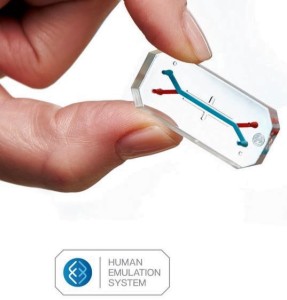
Cambridge organ-on-a-chip startup Emulate has raised $28.75 million in a Series B round, with aims to commercialize its "Human Emulation System" on the R&D circuit. The idea, as with most lab-on-a-chip technologies, is to enhance in vitro research so as to make animal and in-human studies more efficient – using algorithms and microfluidics to accurately predict human response to medicines, chemicals and diseases...The financing will help expand Emulate’s organ-on-a-chip portfolio. Currently, it’s got organ emulations of the lung, liver, intestine and skin – but it plans to branch into organs like the kidney, heart and brain. Beyond that, however, is the concept of developing specific labs-on-chips to address important disease states, such as cancers, disorders of the intestine and microbiome, and infectious disease...Emulate wants its technology to operate as a plug-and-play system in the hands of product development teams at pharmaceutical, chemical, food and consumer products companies...
- With the Threat of an Ad Ban Looming, Pharma Is Fighting to Repair Its Reputation (adweek.com)
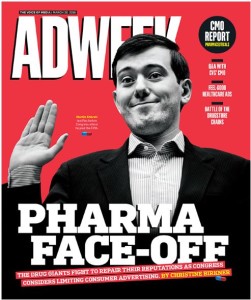
When ex-Turing Pharmaceuticals CEO Martin Shkreli smirked his way through congressional testimony...it stoked Washington's and the general public's ire against the pharmaceutical industry. That same month, Congress introduced legislation to ban direct-to-consumer drug ads...the pharmaceutical industry finds itself in deep damage control mode. Pharma's fight with Washington isn't new...the industry's efforts to restore its reputation have so far been lacking...Pharmaceutical executives...argue that DTC advertising is necessary because it educates patients about new treatment options...The way to bring costs down is to have educated, empowered consumers, and they need information to be so...DTC ads in the form of paid media could soon fade organically as social media becomes a more widely used source for patient information...the pharma industry still has a lot of work to do in restoring its reputation...The industry has done a horrible job of highlighting the benefits of pharmaceutical products, or explaining why pharmaceutical products cost what they do, so they've allowed themselves to get painted as big bad guys...pharmaceutical companies should highlight their patient assistant programs to bolster their reputations...Pharma companies have done a lot of work to build patient assistance programs to get people who couldn't otherwise afford medication on therapy. That's a huge deal...pharmaceutical companies need to play up their altruistic sides, which automatically puts distance between them and characters like Shkreli...the real opportunity is the relationship that you build so you become the go-to place...Pharmaceutical companies have a unique opportunity to stand for very meaningful things, and I don't think they're there yet. They haven't established strong, values-based corporate brands that would withstand the occasional pot shot...
- Shire gets favorable ruling against Allergan in Lialda patent case (reuters.com)
A U.S. district court...ruled in favor of Shire Plc, preventing Allergan Plc from selling generic versions of Lialda (mesalamine), the ulcerative colitis drug, in the United States until 2020...district court said that Allergan's Watson unit had infringed on two claims of the Lialda drug patent...
- Sanofi science chief on Zika: It’s time to disrupt traditional vaccine development (fiercevaccines.com)
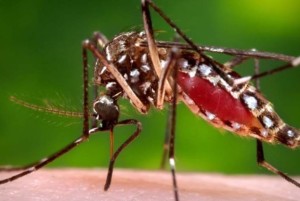
The World Health Organization has warned that the Zika R&D frenzy may not culminate in a vaccine in time for the current outbreak, but Sanofi Chief Scientific Officer Gary Nabel won't take that for an answer. Nabel says it can be done, but it means turning the traditional vaccine development model on its head...In an interview...Nabel highlighted that the classic response to emerging and infectious diseases, such as MERS and Ebola, has been inadequate...We just run from one crisis to another…That's no way to protect the world's population...The traditional vaccine development timeline typically takes 5 years or more to produce a marketable vaccine... To have a chance at accelerating this for emerging diseases, biotechs and pharmas, regulators and government agencies need to come together and unpack this model, identifying where time can be saved and exploring different ways to go about clinical trials...(Nabel) identified WHO as "symptomatic of the problem." While it has "the best of intentions," it doesn't have the wherewithal to follow through...The agency has declared Zika a global public health emergency and in February called for $56 million in funding to combat the virus. Just over a month later, only $3 million--5%--in funding has trickled in...