
- Insulin prices have skyrocketed, putting drug makers on the defensive (statnews.com)Expenditures and Prices of Antihyperglycemic Medications in the United States: 2002-2013 (jama.jamanetwork.com)
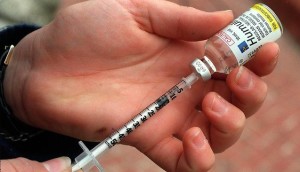
Here’s a sticking point for diabetics: the cost of insulin more than tripled — from $231 to $736 a year per patient — between 2002 and 2013...The increase reflected rising prices for a milliliter of insulin, which climbed 197 percent from $4.34 per to $12.92 during the same period. Meanwhile, the amount of money spent by each patient on other diabetes medications fell 16 percent, to $502 from $600...The analysis also found that the cost of various...oral diabetes drugs either dropped in price or did not rise nearly as significantly as insulin. Metformin...fell to 31 cents in 2013 from $1.24 per tablet in 2002. And the newer class of diabetes drugs known as DPP-4 inhibitors rose 34 percent since becoming available in 2006...some doctors say diabetic patients, who are typically 60 years old or more, have difficulty paying for drugs, especially those who have trouble once they hit the donut hole in the Medicare Part D program and have to cover costs themselves...The cost of therapy is huge...I have patients who tell me that they have to stretch out the use of their medicines...High costs can lead to reduced compliance...
- Brand matters: Interbrand’s best in pharma ranks Pfizer, Roche and Merck at top (fiercepharmamarketing.com)
Global brand consultant Interbrand, author of the annual Best Global Brands list, has turned its attention to pharma. InterbrandHealth looked specifically at the pharma category and sifted through 25 companies to get the "Best Pharma Brands," a baseline top 10 in the industry.
- Pfizer - ranked highest at almost $20 billion ($19.99 billion) in brand value
- Roche Group - at $15.47 billion
- Merck & Co. - at $13.88 billion
- Janssen at $13.87 billion
- Novartis at $13.5 billion
- Amgen at $13.46 billion
- Gilead Sciences at $13.36 billion
- Novo Nordisk at $10.21 billion
- AstraZeneca at $8.12 billion
- GlaxoSmithKline at $6.78 billion
Interbrand looked at three factors in determining the dollar figure for the brands: financial analysis, brand strength and role of brand. The third factor measures brand influence and how likely customers are to recommend it--in this case, how likely are doctors and healthcare providers to recommend or prescribe the brand's drugs.
- U.K. industry lobby group to write pro-pharma features with newspaper that berates it (fiercepharma.com)

In one of the strangest tie-ups in recent memory, the U.K.'s pharma trade group the ABPI (Association of the British Pharmaceutical Industry) has signed a major editorial deal with The Guardian newspaper to write two dozen features on why the industry is so great and how criticism against it is unjustified...This is odd for a number of reasons, but predominately because The Guardian is a Left-leaning newspaper with a long history of an anti-corporate culture, much of which is in fact directed against the pharma industry...negative stories have irked the ABPI and its Big Pharma members, who pay a fee at the top range of around £750,000 ($1,067,000), and want more to be done to market the good things it does...The features...will be featured in the newspaper's online 'Partner's Zone'...The Guardian is increasingly turning to areas like the Partner's Zone to help it gain more advertising online as its print edition continues to struggle--and this comes in the same month that the U.K. daily newspaper The Independent announced that it will stop its print run entirely and move online to save costs--something reports suggest The Guardian may soon need to follow...
- GlaxoSmithKline promises reduced drug patents to help world’s poor (reuters.com)
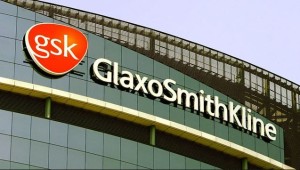
GlaxoSmithKline is to adopt a graduated approach to patenting its medicines, depending on the wealth of different countries, in order to make drugs more affordable in the developing world...Britain's biggest drugmaker said...it would not file patents in low-income states, leaving the way clear for generic companies to make cheap copies of its drugs without fear of being sued...For lower middle-income countries, GSK will seek patents but it aims to strike license deals that allow supplies of generic versions of its medicines for 10 years. These licenses are expected to earn GSK a "small" sales royalty...The company will continue to seek full patent protection in high- and upper middle-income countries, as well as members of the Group of 20 major economies...It is the latest move by the pharmaceuticals industry to address criticism that many new drugs are simply too expensive for....people in Africa, Asia and Latin America...
- Exclusive: Makers took big price increases on widely used U.S. drugs (reuters.com)
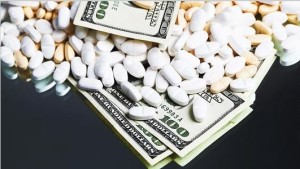
Major drug companies took hefty price increases in the U.S., in some cases more than doubling listed charges, for widely used medications over the past five years...Prices for four of the nation's top 10 drugs increased more than 100 percent since 2011...Six others went up more than 50 percent. Together, the price increases on drugs for arthritis, high cholesterol, asthma and other common problems added billions in costs for consumers, employers and government health programs...Routine price increases by bigger players may draw less attention, but they add up. Sales for the top 10 drugs went up 44 percent to $54 million in 2014, from 2011, even though prescriptions for the medications dropped 22 percent...At the top of the list was AbbVie Inc...which raised the price of...Humira (adalimumab) more than 126 percent...Amgen Inc and Teva Pharmaceutical Industries Ltd, which raised prices for arthritis treatment Enbrel (etanercept) and multiple sclerosis drug Copaxone (glatiramer) by 118 percent.
- In Rare Turn, Competing Health Groups Agree on Drugs, Risk (morningconsult.com)
The strange dance between the pharmaceutical industry, insurers and the Obama administration has taken a new turn. When it comes to one of the wonkiest healthcare policies out there, all three seem close to agreement. They want prescription drugs to be included in determinations about whether a certain pools of patients are riskier than others...The determinations are important because insurers who take on riskier sets of patients are eligible to receive compensation under Obamacare. Right now, those determinations are made using just medical claims. Drug companies and insurers generally agree that prescription drugs should be included in the risk adjustment models. They currently are not... Improving risk adjustment by including data on whether beneficiaries are using certain classes of medicines could better compensate plans for taking on higher risk patients and so allow these plans to focus on helping patients manage their chronic conditions in a way that avoids costly complications...The goal is to create stability on exchanges regardless of the distribution of sick people. If it works, insurers, in theory, would be more willing to participate in the market and increase competition, which in turn could incentivize them to offer benefits that help less healthy people.
- FTC Sues Endo, Alleges Company Paid Off Generic Drugmakers (wsj.com)
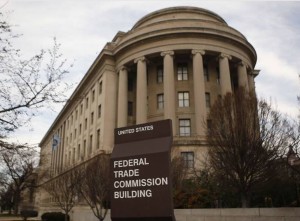
The Federal Trade Commission said...it sued drugmaker Endo International PLC, alleging the company violated federal antitrust laws by paying hundreds of millions of dollars to delay generic competition against two of its biggest drugs...The suit...is the latest by the FTC to target alleged "pay-for-delay" agreements. In these deals, generic-drug companies typically agree to drop patent challenges against brand-name drugs and to refrain from launching cheaper knockoffs before a certain date in exchange for payments from the manufacturer of the brand-name drugs...The FTC contends such agreements cost consumers and taxpayers $3.5 billion annually by keeping drug prices higher than they would be otherwise...Suits like the one filed against Endo are relatively rare...These are very resource-intensive cases, and we don’t have the resources to bring that many cases," Markus Meier, FTC acting director for the bureau of competition...
- Samsung brings in the lawyers for biosimilars push (reuters.com)Samsung Bioepis files lawsuit against AbbVie on Humira patents (koreaherald.com)

Samsung Bioepis Co Ltd, which aims to become a force in the fledgling biosimilar drugs industry, has filed a lawsuit against the originator of the world's best-selling drug, to stop it blocking the launch of its own version...Samsung Group...along with...Biogen, filed suit...against AbbVie Inc, maker of rheumatoid arthritis drug Humira (adalimumab), which generated sales of $14 billion last year...patent for Humira loses its exclusivity in the United States in December 2016...AbbVie...has been filing new patents in a bid to push back sales of biosimilars...more than a dozen firms have challenged AbbVie’s strategy through patent authorities or the courts...We believe that AbbVie has been attempting to obstruct market entry of competing products by applying for a large number of overlapping patents around Humira, which could affect patient access to affordable medication...
- Drug Maker Reconsidering $20 Million North Carolina Factory (nytimes.com)
North Carolina's governor met...with gay-rights advocates bearing a letter signed by more than 100 corporate executives urging him to repeal the nation's first state law limiting the bathroom options for transgender people...Some companies are already reconsidering doing business in the country's ninth-largest state...Braeburn Pharmaceuticals said it is "reevaluating our options based on the recent, unjust legislation" whether to build a $20 million manufacturing and research facility in Durham County. The 50 new jobs paying an average of nearly $76,000 a year were announced two weeks ago....A silent majority of North Carolina businesses may well approve of North Carolina's new law...A company "is not going to say so publicly, since that could lead to angry demonstrators picketing or surrounding its headquarters or places of business...Corporations opposing the law may be expressing core corporate values, but they also need to be perceived favorably by customers, especially affluent gay ones, and to motivate highly educated, high-value employees who value diversity...
- Drug makers paid fewer fines for bad behavior in recent years (statnews.com)

After a decade in which drug makers regularly paid huge fines for various fraudulent practices, there was a noticeable drop over the past two years, according to a new analysis by Public Citizen...Pharmaceutical companies paid approximately $2.8 billion to settle federal and state civil and criminal charges in 2014 and 2015, compared with $9.9 billion during 2012 and 2013. The most recent payments also amounted to the lowest two-year total since 2004 and 2005...Among the worst offenders in recent years were Johnson & Johnson, Pfizer, Novartis, and GlaxoSmithKline, although the report noted that nearly every large drug maker has paid fines to resolve some kind of infraction over the past two decades...A spokesman for the Pharmaceutical Research and Manufacturers of America...We are disappointed at the report’s misleading conclusions...Among its many methodological flaws, the report aggregates all settlements involving the pharmaceutical industry, with little regard as to whether the companies actually broke the law. Civil settlements rarely resolve the question of guilt. Yet the report glosses over its own finding that 88 percent of the settlements reported were civil, not criminal...