
- Drug Approvals and Priority Reviews Highlight Cancer Treatment News (specialtypharmacytimes.com)
- Atezolizumab/Nab-Paclitaxel Highly Effective in Breast Cancer
- Pembrolizumab Effective in ER-Positive Breast Cancer
- Neratinib 3-Year ExteNET Data Similar to Primary Analysis
- Buparlisib Modestly Effective in Breast Cancer
- Avelumab Effective in PD-L1-Positive Breast Cancer
- Adding Denosumab Improves DFS in Breast Cancer
- FDA Approves Alectinib for ALK-Positive NSCLC
- FDA Approves Cooling Cap to Prevent Hair Loss
- Priority Review Granted to Palbociclib Plus Fulvestrant
- FDA Approves Bendamustine Hydrochloride for CLL, NHL
- Priority Review to Crizotinib for ROS1 NSCLC
- FDA Approves Uridine Triacetate for Chemo Overdose
- Coverage for Medical-Benefit Drugs a Source of Consumer Confusion (realclearhealth.com)
Patients getting chemotherapy or other complex medications may have a sudden panic when shopping for health insurance: Their drugs often don’t appear to be covered...Despite advice to shop around before selecting a plan, consumers may find that getting answers about drug coverage can be an exercise in frustration, despite a federal health law requirement that insurers provide lists of the prescription medications included in their plans...That’s because many treatments — particularly intravenous treatments like those used in cancer, hemophilia or multiple sclerosis — are covered under a separate part of an insurance plan, not the pharmacy benefit. And details of that medical-benefit drug coverage can be hard or impossible to find online. But the information is important to know because the drugs tend to be costly, so if they’re not covered, patients might have to pay out of pocket, switch to different treatments or appeal to the plan...
- U.S. FDA warns Sun Pharma over standards at Halol plant (reuters.com)
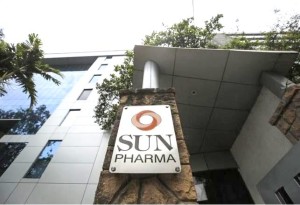
India's largest drugmaker Sun Pharmaceutical Industries Ltd has been warned by U.S. health regulators for violating manufacturing standards at its Halol plant in India, even as it has been working on fixing issues at the plant for over a year...Food and Drug Administration's "warning letter" to Sun Pharma indicates the agency is dissatisfied with the remedial measures the company has implemented since last September, when the FDA first notified the company of its concerns after an inspection...That inspection report highlighted nearly two dozen issues the FDA staff found, including problems with aseptic practices and water leaks in the ceiling of the manufacturing area...the agency could ban imports from the plant if the problems are not resolved...The Halol plant makes up about 15 percent of Sun Pharma's sales in its largest market, the United States.
- Isis Pharma changes ‘unfortunate’ name to avoid confusion (reuters.com)
After deliberating for most of the year, Isis Pharmaceuticals Inc said on Friday it would change its name to avoid being confused with the Islamist militant group known as ISIS...The biotechnology company said it would be called Ionis Pharmaceuticals Inc from Dec. 22 and also changed its stock exchange ticker symbol to "IONS" from "ISIS"...When you talk about the company you want people to immediately think about the incredible work you're doing to deliver transformational drugs to patients ... not as an unfortunate namesake...The...company's stock dropped about 4 percent on the first trading day after the Paris attacks, for which ISIS claimed responsibility.
- Novartis sees different drug pricing models: CEO in NZZ am Sonntag (reuters.com)
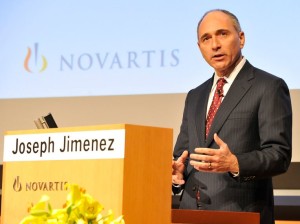
Joseph Jimenez, Novartis CEO
Drug companies have taken too great a share of the benefits of new drug treatments but are moving to different models involving sharing more with health systems and insurers..."We need to transition into a system in which pharmaceutical manufacturers share the benefits of new drugs"..."At the moment, we still keep too much of that benefit for ourselves."..."I'm not saying pricing in the United States is not an issue ... Something will change. But I don't think the government will bring that change, I think it will come from the private sector,"...
- Lawmakers ask GAO to review FDA oversight of Asian drug plants (statnews.com)Bipartisan Committee Leaders Enlist Government Watchdog On FDA’s Foreign Inspection Program (energycommerce.house.gov)
Concerned about the quality of the pharmaceutical supply chain, several congressional lawmakers want the US Government Accountability Office to review Food and Drug Administration oversight of foreign manufacturing plants...In a letter...members of the House Energy and Commerce Committee asked the GAO to assess the progress the FDA has made inspecting foreign facilities since the agency undertook a new "risk-based" approach in 2010. They noted the United States imports more than $52 billion in medicines each year, but that "many of these products come from countries with less sophisticated regulatory systems."...The lawmakers went on to note that there’s a "history" of counterfeiting, adulteration, substandard manufacturing, and data falsification over the past 20 years in China and India, specifically. As a result, they suggest there may be "inadequate oversight" and an "unequal playing field" compared with US drug makers that are subject to "more frequent and rigorous inspections."...The FDA has begun working with the Indian government to bolster domestic oversight...India’s drug makers have bristled at the attention paid by the FDA to ongoing shortcomings, which have prompted the agency to issue a steady stream of import alerts that ban products from being shipped to the United States.
- Prices for many generic drugs rising faster than inflation (modernhealthcare.com)
Prices rose faster than inflation for 22% of top generic drugs reviewed between 2005 and 2014, according to a report released Thursday by HHS' Office of Inspector General....Had those generic drugs been subject to the same requirement that branded drugs face—where manufacturers pay additional rebates to Medicaid when the price of a drug increases faster than inflation—Medicaid would have pulled in $1.4 billion in rebates for the top 200 generic drugs, according to the report...The OIG produced the report in response to a request from Congress to examine recent increases in generic drug prices and the effects of those prices on Medicaid and Medicare drug spending...the OIG didn't make any recommendations, noting that that the two-year budget deal recently passed by Congress would extend the rebates to generics starting in 2017. In a previous, similar report, OIG had recommended CMS consider seeking legislative authority to broaden the rebate program.
- What Types of ADEs Should Pharmacists Report to MedWatch? (pharmacytimes.com)
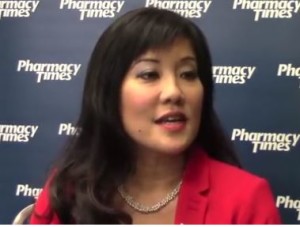
Teresa Rubio, PharmD of the FDA Office on Health and Constituents Affairs describes the types of adverse drug events that pharmacists should report to MedWatch.
- Inside the Impossibly Byzantine World of Prescription Drug Prices (realclearhealth.com)

Even for people whose job requires them to know this stuff, drug pricing is hopelessly complex. That helps explain why, for all the debate over drug costs these days, there’s surprisingly little detail about what anybody actually is paying for prescription medicines..."We have list prices, wholesale prices, average wholesale prices, rebates, supplemental rebates, mark-ups, outpatient vs. inpatient, formularies, patent expirations,"..."Most of that information is not available or well understood by the public."...This all raises the question: Just what the heck is the point of the list price anyway?...The short answer is that the list price is a drug company’s opening bid in negotiations with the insurance plans, government programs, and health care providers that purchase its medicines...The list price helps establish that initial starting point...In other words, the list price is not dissimilar from sticker prices on new cars...
- Martin Shkreli out as Turing CEO. Ron Tilles named interim replacement (statnews.com)
Martin Shkreli, the pharmaceutical executive who became the public face of greed in the industry and who was arrested this week on securities fraud charges, has been replaced...Turing Pharmaceuticals, announced Friday that Shkreli will resign as chief executive and be replaced by Ron Tilles, the chairman of the board, who will serve as interim CEO..."We wish to thank Martin for helping us build Turing Pharmaceuticals into the dynamic research-focused company it is today, and wish him the best in his future endeavors," Tilles said in the statement...The announcement marks a swift and stunning fall for the 32-year-old Shkreli...Meanwhile, Turing is scrambling to reassure the medical community that Daraprim...will remain available. The company is sending letters to doctors to reiterate that patient assistance programs are intact and "distribution partnerships" with hospitals and clinics are being expanded.