
- New Hampshire sues Purdue Pharma over opioid marketing practices (reuters.com)
New Hampshire sued...Purdue Pharma LP...joining several state and local governments in accusing the drugmaker of engaging in deceptive marketing practices that have helped fuel a national opioid addiction epidemic...The lawsuit filed...claimed that Purdue Pharma significantly downplayed the risk of addiction posed by OxyContin and engaged in marketing practices that "opened the floodgates" to opioid use and abuse...The lawsuit came after the state's top court in June overturned a ruling that barred the enforcement of subpoenas against Purdue and four other drugmakers because of the use of a private law firm by the office of the attorney general...The complaint said...the...company had spent hundreds of millions of dollars since the 1990s on misleading marketing that overstated the benefits of opioids for treating chronic, rather than short-term, pain.
- DEA proposes cutting production of some opioid painkillers (reuters.com)

The Drug Enforcement Administration...proposed a 20 percent reduction in the manufacture of certain commonly prescribed opioid painkillers as well as other controlled substances for next year...The proposal comes as U.S. regulators and lawmakers take steps to limit the supply of opioids - a class of drugs that include prescription painkillers and heroin - to combat the epidemic of abuse, overdose and addiction...The DEA's proposed production quotas for Schedule I and II substances reflect the amount needed to meet the United States' medical, scientific, industrial, export and reserve requirements...The DEA recommendation comes about two months after the Food and Drug Administration took the rare step of asking a drugmaker (Endo International) to withdraw its opioid painkiller from the market, citing the public health crisis.
- CVS Health removes 17 drugs from formulary, adds outcomes-based program (biopharmadive.com)
CVS Health...put out its standard control formulary for 2018, days after competitor Express Scripts announced its own drug coverage list for next year...Last year, CVS made biosimilars preferable over their reference product on its formulary, while this year the PBM expects to expand value-based deals to add further benefit for its customers...last year...it opted to include the highly touted, but still very new class of biosimilar products over longer-used reference products...This year, CVS Health looks set to change the game once again with an outcomes-based management program that will specifically target drugs for breast cancer, non-small cell lung cancer, obesity and chronic obstructive pulmonary disease...In each of these cases, manufacturers will have to cover costs over a pre-specified threshold if patients don't reach certain outcomes...Outcomes-based strategies have long been talked about as a means to control drug pricing. But there have only been a handful of such agreements put into practice and usually with specific drugmakers for specific products...CVS Health will remove 17 drugs from the 2018 formulary list across 10 drug classes...
- Express Scripts shuts out 64 branded drugs from 2018 formulary (biopharmadive.com)

Express Scripts, a top-three pharmacy benefit manager in the U.S., will exclude an additional 64 drugs from its national listing of preferred drugs next year, sending shares in several biotechs affected spinning...Notably, the PBM's 2018 formulary leaves off Amgen's neutropenia blockbuster Neupogen (filgrastim) in favor of Novartis' biosimilar medicine Zarxio (filgrastim-sndz) and drops Lilly's osteoporosis drug Forteo (teriparatide)...Forty-six other brand-name drugs with generic competitors already on the market were also excluded, potentially accelerating uptake of cheaper copies. Valeant Pharmaceuticals, in particular, could see an impact as two of its top-three best-selling drugs were shut out from Express Script's preferred list...Express Scripts has been an outspoken critic of drugmakers' pricing practices, frequently pushing back against the pharma industry's attempt to pin the blame for rising costs on the rising power of PBMs...Express Scripts' newly released formulary for next year substantially increases the number of drugs excluded by the PBM to a total of 159. The PBM was quick to highlight, however, that the new exclusions would only affect 0.67% of its members while saving cash overall...
- Wal-Mart, Walgreens, CVS turn up the heat on generic drugmaker deals (reuters.com)
The largest U.S. retail pharmacies, including Wal-Mart Stores Inc and Walgreens Boots Alliance Inc, are wielding more leverage when buying generic drugs, accelerating a decline in prices likely to affect drug companies for some time...That pressure is exacerbated by efforts from U.S. health regulators to speed approval of copycat drugs...The extent of the shift became clearer this week, when wholesale drug distributors Cardinal Health Inc and AmerisourceBergen Corp, as well as top global generic drugmaker Teva Pharmaceutical Industries Ltd, warned of generic price declines of as much as 9 percent through the end of the year…Walgreens formed a drug-buying partnership with AmerisourceBergen in 2013, and earlier this year partnered with pharmacy benefit manager Express Scripts Holdings Co. Retailer CVS Health Corp has tied up with Cardinal Health and, more recently, Wal-Mart has joined with McKesson Corp to source generic drugs. Industry analysts said the alliances took some time to become effective, but their power over negotiations is becoming clear.
- Pharmacy Week in Review: August 3, 2017 (pharmacytimes.com)
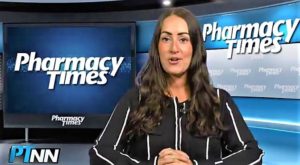
Nicole Crisano, PTNN. This weekly video program provides our readers with an in-depth review of the latest news, product approvals, FDA rulings and more.
- ICER Seeks Comments for Proposed Changes for Orphan Drugs Assessments (ajmc.com)
The Institute for Clinical and Economic Review is seeking public comments on its recently released outline of proposed adaptations involving the assessment of certain treatments for ultra-rare conditions, also known as orphan drugs...The proposed changes are intended to provide information for decision makers regarding the practical and ethical challenges involved in potential major advances for ultra-rare conditions. The adaptations are also intended to complement the ICER’s recent update to its value assessment framework...In order to be considered for an adapted approach, a treatment must be expected to be used in a population of less than 10,000 with a minimal chance of future indication, and must demonstrate potential to majorly improve the quality of life or the length of life for the patient...The key statements and proposed changes in the proposal include:
- ICER will continue with the same standard of evidence when rating comparative clinical effectiveness, but will offer context regarding the challenges of producing evidence for the treatments and for identifying data for long-term safety.
- ICER will continue developing cost-effective models for new treatments, but models for ultra-rare conditions will have a broader range of cost-effectiveness results—from $50,000 per quality-adjusted life year (QALY) to $500,000 per QALY—and will calculate a value-based price benchmark from the standard range. However, these reports will indicate that decision-makers often give special weighting to other benefits, causing coverage and funding decisions at higher price—resulting in higher cost-effective ratios for the treatments.
- The report sections "other benefits and disadvantages" and "contextual considerations" will include evidence and perspectives of the potential positive treatment effects on family and the community.
- ICER will conduct a collaborative process to develop a template for information in reports on research, development, and relative costs for ultra-rare condition treatments.
- Senate reauthorizes FDA to collect fees from drugmakers (reuters.com)FDA Reauthorization Act heads to Trump’s desk after Senate passage (drugstorenews.com)
The Senate...passed a bill allowing the Food and Drug Administration to continue collecting fees from drug companies to review new product applications...The FDA Reauthorization Act renews an existing law that expires on Sept. 30 and which provides the majority of FDA funds used to review pharmaceuticals and determine whether they are safe and effective. The Senate passed the bill by a vote of 94-1...It was passed last month in the House of Representatives.
- Availability and Variation of Publicly Reported Prescription Drug Prices (ajmc.com)
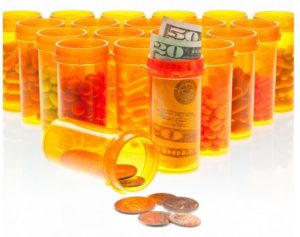
Retail prices for commonly prescribed drugs are often absent from state prescription drug price websites, but when reported, can vary substantially...Objectives: To examine how often retail prices for prescription drugs are available on state public reporting websites, the variability of these reported prices, and zip code characteristics associated with greater price variation...Takeaway Points: Across state government websites reporting retail prices for medications commonly prescribed for chronic conditions, price information is often deficient. However, when retail prices for prescription medications are publicly reported, these prices vary significantly.
- This is the first study to document variation in publicly reported retail prices for prescription medications across different classes and different states.
- More consistent reporting of such prices could potentially yield substantial savings for consumers who face high out-of-pocket expenditures.
- Policy makers should work to ensure retail prices for prescription drugs are reported consistently and strive to develop new strategies to facilitate consumers’ use of this information.
- FDA panel: Not enough data to OK “abuse-deterrent” opioid (kolotv.com)

Food and Drug Administration advisers voted against approving a new opioid painkiller with a unique feature for deterring abuse: It releases a deep-blue dye if someone tries to get high by crushing, chewing or snorting pills...Panelists voted overwhelmingly against approving Intellipharmaceutics International's generic version of extended-release Oxycontin, a key drug in the U.S. opioid addiction epidemic. The FDA usually follows its advisers' advice...Doctors and scientists raised many concerns about the dye's safety for intended patients, and its effectiveness in deterring opioid abusers. Most said the company hadn't done enough studies of the drug...Some suggested blue stains around the mouth or nose from trying to abuse the drug could become popular among addicts. Others said the dye's "Scarlet Letter" shaming approach was insensitive...also...the company hadn't provided enough data to show that addicts couldn't find a way to convert the pills' active ingredient, oxycodone, into a liquid that could be injected...Advisers noted that the company hadn't studied issues such as whether the nasal irritant in the pill would prevent abusers from trying to snort it after crushing and whether the blood dye would discourage abuse attempts.