
- Medicaid Pharmacy Reimbursement Changes Coming Soon (ashp.org)
Centers for Medicare and Medicaid Services late this month plans to publish a long-awaited official revision to the maximum allowable reimbursement amount for multiple-source outpatient drugs covered by state Medicaid programs...The revised amounts, known as federal upper limits, will become effective April 1 to coincide with provisions in the Covered Outpatient Drugs final rule...FULs were most recently updated in September of 2009...Starting in April, the agency plans to update the FULs monthly. State Medicaid plans will have up to 30 days to implement each set of new FULs...state Medicaid plans have flexibility to implement the new reimbursement model, as long as the state's plan is based on pharmacies' true drug acquisition costs...states have flexibility in setting their professional dispensing fees, including whether to use state or national data to calculate rates...CMS expects state Medicaid plans to provide "credible data" that demonstrates how their reimbursement plan accurately accounts for dispensing costs...States must consider the totality of reimbursement to pharmacies when they are looking at changes in either the ingredient cost or professional dispensing fee...State Medicaid agencies have until June 30, 2017, to submit their amended plans to CMS. The revised plans must go into effect by April 1, 2017.
- What is the Status of Birth Control Prescribing Among California Pharmacists? (pharmacytimes.com)
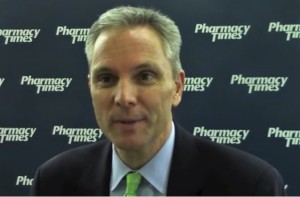
Jon Roth, CEO of the California Pharmacists Association, discusses the status of birth control prescribing among pharmacists in California.
- Telling docs they overprescribe addicting drugs doesn’t make them stop (reuters.com)

Government letters informing doctors they're prescribing vastly more addictive drugs than their peers fall on deaf ears...The doctors...were all writing far more prescriptions for drugs like opioid painkillers than doctors in similar specialties practicing nearby - but the letters didn't lead to changes in prescribing...I think if there is a way to make these letters effective it may be one tool in the arsenal to curb the high rate of opioid deaths...
- What Is URAC Community Pharmacy Accreditation? (pharmacytimes.com)
According to URAC (Utilization Review Accreditation Commission), an independent accreditor that establishes benchmarks and standards for pharmacy practice, any "duly licensed pharmacy in good standing within the jurisdiction of its practice that has at least 1 retail location handling prescription intake and dispensing as well as providing and reporting outcomes on medication therapy management and drug therapy management is the type of organization that applies for URAC Community Pharmacy accreditation."...To earn this accreditation, CVS/pharmacy underwent a rigorous evaluation that validated the quality of the patient care and services it provides, including medication therapy management, wellness services, patient counseling and education, and preventive and chronic disease management...community pharmacy standards assessed by URAC include quality measures reporting, quality management and performance oversight, and pharmacy structure, operations, and drug utilization management..."Having a widely recognized and respected accreditation organization such as URAC independently scrutinize our operation and attest to the quality of the pharmacy care and services we provide demonstrates our continued commitment to helping people on their path to better health as a leader in the healthcare industry," Josh Flum, senior vice president of retail pharmacy at CVS Caremark..."Other URAC Pharmacy Quality Management accreditation programs include specialty pharmacy, mail service pharmacy, drug therapy management, pharmacy benefit management, and workers’ compensation pharmacy benefit management.
- Retail clinics don’t save money. But when you hear the reason will you be OK with it? (medcitynews.com)Retail Clinic Visits For Low-Acuity Conditions Increase Utilization And Spending (abstract, sub. req.) (content.healthaffairs.org)
MinuteClinic Retail clinics, long seen as an antidote to more expensive doctor offices and emergency rooms, may actually boost medical spending by leading consumers to get more care...Rather than substituting for a physician office visit or trip to the hospital, 58 percent of retail clinic visits for minor conditions represented a new use of medical services, according to the study...the journal Health Affairs. Those additional visits led to a modest increase in overall health care spending of $14 per person per year...This challenges the conventional wisdom that retail clinics save the health care system money...The study doesn’t contradict earlier research that found retail clinics provide care that costs 30 to 40 percent less than similar care provided at a physician’s office and that the treatment for routine illnesses was of similar quality. But it suggests those savings are more than offset by increased use of medical services...health plans and employers should carefully consider how they cover care at retail clinics...If the goal is to lower costs...then encouraging use of retail clinics may not be a successful strategy...
- Ky. Senate Bill Aims to Stay Ahead of Biological Pharmaceuticals (wkms.org)
The Kentucky Senate...approved legislation in preparation for an expected increase in the use of biologically similar medications. The bill’s sponsor says these medicines can substantially save on costs when treating certain diseases...more medications for specific ailments are biological products made from living organisms. Bio-similar drugs, which are much cheaper, are being produced as interchangeable medicines...legislation allows pharmacists to dispense bio-similar drugs in the place of biologics without having to notify the doctor in advance...pharmacists would still be required to notify doctors of interchangeable bio-similar drugs within five days of dispensing. "If a patient has a reaction to a drug and I think I’m prescribing them drug A and you’ve given them drug B, and they may have to come to the hospital with a reaction, I’m the one treating them and assuming that liability," Alvarado (Winchester Senator, Doctor Ralph Alvarado) explained. "I have to know what drug you gave them..."
- Do Prescribing Doctors Act on Pharmacist Recommendations? (specialtypharmacytimes.com)
Among their list of responsibilities, pharmacists serve as an important member of an interdisciplinary care team to protect patient health and safety while minimizing costs...Existing literature shows that by communicating recommendations to prescribing doctors, pharmacists can help to measurably reduce costs, control chronic diseases like hypertension, diabetes, and hyperlipidemia, and improve patient outcomes...The prevalence of prescribing doctors acting upon pharmacist recommendations has been previously studied, with results ranging anywhere from 31% to 81%. Most assessments find that a pharmacist’s recommendation succeeds in modifying a doctor’s prescription about 50% of the time...Doctors are more likely to accept pharmacist recommendations intended to save costs (versus safety or guideline adherence), and they are more likely to accept recommendations to change or stop a medication (50%) than they are to start a new medication (41.7%)...
- Surprise proposal: Medicare wants to jump on the value-based pricing bandwagon (fiercepharma.com)
Doctors and cancer clinics are up in arms about a new Medicare reimbursement scheme that would cut their mark-ups on oncology drugs. But the Centers for Medicare and Medicaid Services has even bigger plans for cancer-drug payments...Pay-for-performance deals and indication-specific reimbursements are on a list of 6 programs CMS plans to try alongside the cuts targeted at physicians and hospitals. It's a rare example of Medicare plucking new ideas from the private sector, even before they've been widely adopted in the biopharma industry...CMS says it looked to private payers for "value-based purchasing tools," and wants to use strategies similar to those used by commercial health plans, pharmacy benefits managers, hospitals and other benefits managers...the agency would experiment with the sort of value-based reimbursement plans that Novartis and Amgen are using on their brand-new heart drugs Entresto and Repatha. CMS says it will be seeking "risk-sharing" deals with drugmakers to link drug payments with patient outcomes...In practice, performance-based deals can be difficult to administer, and that's one reason why U.S. payers have been reluctant to make pay-for-performance arrangements on Entresto...A U.K. government report found that the National Health Service had fallen short on clawing back rebates owed under its cost-sharing deals with drugmakers.
- States Remove Barriers To Physician Assistants (forbes.com)
An increasing number of states are granting physician assistants more autonomy to increase access to patients amid a shortage of doctors and an influx of patients with health insurance under the Affordable Care Act...states are removing bureaucratic barriers that in the past led to redundant tasks or slowed the ability of patients to get the care they needed...for example, Gov. Chris Christie...signed into law legislation that removed the so-called "countersignature requirement," which previously required the PAs’ collaborating physician to countersign all medical orders...lawmakers passing such legislation say they are essentially granting physician assistants the ability to do what they are trained to do. Most have a two-year master’s degree, often from a program that runs about two years and includes three years of healthcare training...PAs are being granted "full prescriptive authority," which will allow them to write prescriptions for controlled substances. Legislation is wending its way through the Florida legislature that would make the state the 49th to have the ability to write such prescriptions.
- Pharmacist Job Market Plunges to 10-Year Low (pharmacytimes.com)
...the pharmacy job market took its steepest nosedive in 10 years, according to data collected by the Pharmacy Workforce Center...this drop was observed in every region of the country...More than half of the United States currently has a surplus of pharmacists, meaning the number of pharmacists looking for jobs outweigh the number of jobs available. This information comes from the Pharmacy Workforce Center’s January 2016 newsletter, which reflects the most recently collected data from November 2015...Information about the pharmacy job market is submitted confidentially by employer panelists on a monthly basis and collected as part of an ongoing project...let’s be clear about the source of the problem. There are too many pharmacy schools and they are graduating too many students. There is no mechanism for slowing down pharmacy school multiplication aside from the natural forces of supply and demand. Neither the American Association of Colleges of Pharmacy nor the National Association of Boards of Pharmacy have any tool to stop the proliferation of pharmacy schools...what this means for the future of pharmacy is lower wages, poorer working conditions, patient safety concerns, and fewer jobs. What we’re seeing is not unlike what other fields such as the legal profession have undergone...It would be great if pharmacy schools would come together and mutually agree to reduce their enrollment, but that’s unlikely...