
- Report: Medicare Part B Payment Hikes Could Offset 340B Cuts for Many Hospitals (ptcommunity.com)

...some dispute...findings on the controversial cuts...Increased reimbursements under Medicare Part B overall could offset potential losses for hospitals under changes to the 340B discount program, according to a new analysis...consulting firm Avalere Health analyzed hospital-level data from the Centers for Medicare and Medicaid Services on reimbursements in 2017 and 2018 and found that 85% of hospitals would receive higher Part B payouts that would minimize the reductions from cuts to 340B discounts...CMS finalized changes to 340B in November, changing its payment rate to 22.5% less than the list price for medication. Previously, it had paid up to 6% more than the list price under the program, and the cuts could equal $1.6 billion in lost payments...Rural hospitals would especially benefit from CMS’ increased Part B payouts, according to Avalere, as those facilities will net an average increase of 2.7%. Urban hospitals will see a 1.4% net increase...The 340B program wasn’t always controversial, but in recent years lawmakers and pharmaceutical companies have expressed concern that too many hospitals have enrolled, taking advantage of the program’s discounts. A study...suggests that hospitals have snapped up physician practices in areas like oncology to boost their 340B discounts but don’t often invest those savings in improving care for low-income patients.
- Arizona governor signs opioid crackdown legislation (reuters.com)
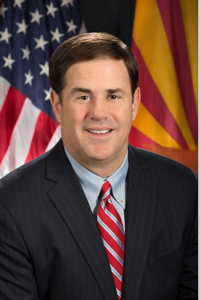
Republican Governor Doug Ducey...signed into law legislation intended to crack down on opioid abuse, calling it vital to combat an epidemic felt statewide and across the nation...The legislation includes new regulations that will limit initial opioid prescriptions to five days and set a maximum of 30 days for certain patients receiving highly addictive painkillers...Other measures call for $10 million to be spent treating opioid abusers who are underinsured and ineligible for Medicaid. A controversial provision holds harmless those reporting potential overdoses...Despite the unanimous final vote, some lawmakers raised concerns about the unintended consequences of the state becoming more involved in doctor-patient issues, fearing it may hurt individuals needing opioids...
- Why some US cities are opening safe spaces for injecting heroin (cnbc.com)

Why some US cities are opening safe spaces for injecting heroin...The concept recently gained traction in Philadelphia, where officials announced this week that they intend to open such a space, known as a supervised drug consumption facility or safe injection site...The idea: While in an ideal world no one would use dangerous and potentially deadly drugs, many people do. So it's better to give these drug users a space where they can use with some sort of supervision in case something goes wrong. It's a harm reduction approach...Studies consistently show that supervised consumption facilities work. These kinds of sites have opened in Canada, Australia, and Europe, showing drops in drug overdoses, related emergency care calls, risky behaviors that lead to HIV or hepatitis C transmissions, and general public disorder and nuisance associated with drugs...the facilities remain highly controversial in the U.S...much of America's drug policy is colored by a criminalized, stigmatized approach to addiction — one that demands shunning and shutting down all drug use...Under this view, the idea of giving people a safe space to use drugs seems downright counterintuitive...Philadelphia is now angling to become the first city with a legally sanctioned safe injection site. The city is reportedly hoping to hear from potential operators of a facility. It's not clear when such a site will open...
- Hospitals eye making generics for 20 drugs that they say are overpriced or in short supply (cnbc.com)

Several hundred hospitals that plan to form their own generic drug company are eyeing making "about 20" pharmaceutical products whose existing versions either cost too much or are in short supply for no good reason...Dr. Marc Harrison, chief of...Intermountain Healthcare, during an interview on CNBC's "Closing Bell," would not identify the existing drugs that the new company wants to replicate on its own, or have done on a contract basis..."We think it will be early '19 before our first drugs come to market."...the group also is hoping to possibly get additional financing from "philanthropists who are sick of this activity" by drug companies that is "creating shortages and driving prices in an irrational fashion."...Intermountain is leading the collaboration with several other large hospital groups, Ascension, SSM Health and Trinity Health, in consultation with the U.S. Department of Veterans Affairs, to form a not-for-profit drug company. The groups together represent more than 450 U.S. hospitals.
- FDA Releases 2018 Compounding Policy Priorities Plan (iacprx.org)

The Food & Drug Administration has released a 2018 Compounding Policy Priorities Plan...FDA also issued a final guidance on mixing, diluting, or repackaging biological products, which describes the conditions under which the agency does not intend to take action when certain biological products are mixed, diluted, or repackaged in a manner not described in their approved labeling. According to FDA, "These policies are intended to minimize public health risks, while preserving access to these products for patients who have a medical need for them."
- Allscripts sued over ransomware attack, accused of ‘wanton’ disregard (healthcareitnews.com)Allscripts clients back online, but issues plague some cloud-based providers (healthcareitnews.com)

Just one week after some of Allscripts’ services were shut down by ransomware, the EHR giant is facing a lawsuit for allegedly failing to secure its systems and data from cyberattacks...Allscripts went down on Jan. 18, after two of its data centers...fell victim to SamSam ransomware...Florida-based Surfside Non-Surgical Orthopedics is suing Allscripts on behalf of all clients impacted, as the system outage resulted in canceled appointments, care disruptions and "significant business interruption and disruption and lost revenues.”...The provider was unable to access its patient records or electronically prescribe medications, and as a result of the outage, Surfside has “expended significant time and effort resolving these issues resulting from the breach.”...Surfside alleges that Allscripts was aware of “deficiencies in its products and services [that] could result in privacy and security vulnerability or compromises and failed to take adequate measures to protect against any such event.”
- This Week in Managed Care: January 26, 2018 (ajmc.com)

Laura Joszt, assistant managing editor at The American Journal of Managed Care. Welcome to This Week in Managed Care from the Managed Markets News Network
- Community health centers in desperate need of being re-funded (nevadaappeal.com)

Sierra Nevada Health Center is one of Carson City's two federally-qualified health care centers that were hoping for renewed funding at the beginning of this month, but are instead still waiting on Congress to extend the Community Health Centers Fund program that expired on Sept. 30, 2016...Nevada's six federally-qualified health care centers provide care to around 89,000 patients across the state. Sierra Nevada Health Center and Carson City School-based Health Center provide care to Carson City and Carson Valley residents and are hanging in a balance after the deadline to extend the funding passed...Nevada's health centers are among more than 1,300 community health centers across the U.S. that receive funding from the CHCF program. Today, Nevada's health centers employ more than 60 medical professionals...Earlier this month, Nevada Health Centers CEO and board chairs sent a letter to Nevada's congressional delegation to encourage action on funding for community health centers...addressed to Republican Sen. Dean Heller, Democratic Sen. Catherine Cortez Masto, Democratic Rep. Dina Titus, Republican Rep. Mark Amodei, Democratic Rep. Jacky Rosen and Democratic Rep. Ruben Kihuen, the CEO and board chairs asked for unity between political parties and a solution to health care funding...The letter encourages Nevada congressional members "to develop a long-term, fiscally responsible funding plan that ensures the success of our country's greatest public health asset."
- 340B Program Fails to Meet Its Promise, Study Finds (ptcommunity.com)

Under-served patients haven’t benefited...The 340B Drug Pricing Program, a 25-year-old discount plan aimed at boosting resources for hospitals treating low-income patients, has not delivered on its promise to enhance care for the needy, according to research from Harvard Medical School and the NYU School of Medicine...The federal program was designed to provide discounted drugs to hospitals that treat many low-income patients under the premise that generating surplus revenue would give these hospitals the financial resources to improve care for their most vulnerable. However, eligible hospitals have not used the financial windfalls from the program in ways that have clearly benefited under-served patients, according to results of the study published January 24 in The New England Journal of Medicine...Researchers say their findings paint a picture of good intentions handicapped by poor policy design and lack of oversight.
- Pharmacy Week in Review: January 26, 2018 (pharmacytimes.com)

Nicole Crisano, PTNN. This weekly video program provides our readers with an in-depth review of the latest news, product approvals, FDA rulings and more.