- Kmart to pay $32.3M to settle health care-related whistleblower case (nbcnews.com)
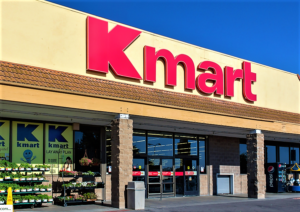
Kmart Corp. has agreed to pay $32.3 million to settle a whistleblower lawsuit alleging its pharmacies overcharged federal health care programs and some private insurers for generic prescription drugs..."Pharmacies that are not fully transparent about drug pricing can cause federal health programs to overpay for prescription drugs," Chad Readler, the acting assistant attorney general of the department's Civil Division, said..."This settlement should put pharmacies on notice that there will be consequences if they attempt to improperly increase payments from taxpayer-funded health programs by masking the true prices that they charge the general public for the same drugs."...The complaint was filed on behalf of former Kmart pharmacist James Garbe. According to the suit, in one case, Kmart had sold a 30-day supply of a generic version of a prescription drug for $5 to customers of its discount program, but then filed for reimbursement from the government for $152 for that same drug for its Medicare customers...Garbe will receive a whistleblower award of $9.3 million, which amounts to 29 percent of the federal government's recovery...
- Pharmacy Week in Review: December 22, 2017 (pharmacytimes.com)
Nicole Crisano, PTNN. This weekly video program provides our readers with an in-depth review of the latest news, product approvals, FDA rulings and more.
- This Week in Managed Care: December 15, 2017 (ajmc.com)

Laura Joszt, assistant managing editor at The American Journal of Managed Care. Welcome to This Week in Managed Care from the Managed Markets News Network
- ISMP Names Top Medication Safety Issues of 2017 (pharmacytimes.com)
During a session at the American Society of Health System Pharmacists Midyear Clinical Meeting and Exhibition, Christina Michalek, PharmD, of the ISMP presented the organizations’ annual review of the year’s biggest medication safety issues...From January 2017 to September 2017, the drug classes most often involved medication errors events included:
- Narcotics/Opioids (10%)
- Antimicrobial agents (10%)
- Antihypertensive agents (6%)
- Antithrombotic agents (6%)
- Anticonvulsant agents (4%)
- Insulin and antidiabetic agents (4%)
- Central nervous system stimulants (4%)
Of these, narcotics/opioids, antithrombotic agents, and insulin and antidiabetic agents are listed as “high alert” drugs by the ISMP, indicating that they are associated with a high risk of harm when used in error.
- This Week in Managed Care: December 22, 2017 (ajmc.com)
Laura Joszt, assistant managing editor at The American Journal of Managed Care. Welcome to This Week in Managed Care from the Managed Markets News Network
- Harnessing hospital pharmacists: Smarter spending will improve lives (shpa.org.au)
The twin goals of improving health outcomes and generating economic savings can be achieved by ensuring more people take prescribed medicines as intended, and pharmacy services are extended to more Australians, the Society of Hospital Pharmacists of Australia said today...SHPA’s Federal Budget 2018-19 Submission details policy measures to boost medicines compliance – particularly among people at high risk of non-adherence and hospital readmission, and patients taking high cost PBS medicines (Pharmaceutical Benefits Scheme)...SHPA recommendations for the 2018-19 Federal Budget
- Support compliance and maximise return on investment in high cost PBS medicines.
- Reduce harm caused by opioid use initiated in hospitals
- Bridge the gap for high-risk patients leaving hospital and returning to care in the community.
- Provide additional funding to support seven-day clinical pharmacy services in hospitals in the National Health Funding Reform Agreements for Public Hospitals beyond 2020.
- Address safety and quality concerns in aged care by embedding pharmacists in Commonwealth facilities and home nursing services.
- Improve antimicrobial stewardship in all Australian healthcare facilities to address the threat of antimicrobial resistance.
- Fund hospitals to provide Closing the Gap Pharmaceutical Benefits Scheme Measure subsidies to Indigenous people.
- Develop a national pharmacy workforce reform strategy.
- Medical plans dangle gift cards and cash to get patients to take healthy steps (beta.latimes.com)

Health plans, medical practices and some Medicaid programs are increasingly offering financial incentives to motivate Medicaid patients to engage in more preventive care and make healthier lifestyle choices...They are following the lead of private insurers and employers that have long rewarded people for healthy behavior such as quitting smoking or maintaining weight loss. Such changes in health-related behavior can lower the cost of care in the long run...“We’ve seen incentive programs be quite popular in the insurance market, and now we are seeing those ramp up in the Medicaid space as well,” said Robert Saunders, research director at the Margolis Center for Health Policy at Duke University...Medicaid patients who agree to be screened for cancer, attend health-related classes or complete health risk surveys can get gift cards, cash, gym memberships, pedometers or other rewards. They may also get discounts on their out-of-pocket health care costs or bonus benefits such as dental care.
- From hackers to hurricanes, new threats loom for pharma supply chains in 2018 (fiercepharma.com)

Disasters, both natural and manmade, wreaked havoc on pharma supply chains this year, exposing vulnerabilities and costing the industry hundreds of millions, if not billions, of dollars...Hurricanes took out power and plants in Puerto Rico...Less visible but much more sinister was the cyberattack that managed to penetrate systems at Merck & Co...Experts say both kind of threats are only going to get worse...Some natural disasters, like earthquakes, don’t follow seasons and can’t be tracked. They just happen...The FDA pointed out that the Federal Food, Drug, and Cosmetic Act, does not include a specific provision giving the agency the authority to require a contingency plan for preventing drug shortages if a facility goes offline, regardless of the cause...Some events have nothing to do with weather or geography. Merck was the only drugmaker to publicly acknowledge that it had not adequately protected its computer systems and was a victim of the Petya cyberattack...Expect this trend to continue in 2018...the disruption caused by ransomware to industrial organizations in 2017 didn’t directly affect the automation controllers, “we expect that a new, more damaging type of ransomware will specifically target controllers” in 2018...if those threats were not enough to keep pharma executives up at night...the chilling observation that North Korea, “has quietly developed a cyber army capable of unleashing attacks against critical infrastructures that could have global implications.”
- Few California pharmacists prescribing birth control (reuters.com)

A California law allowing pharmacists to prescribe birth control sought to make it easier for women to obtain contraception, but few drug stores provide the service... Only 11 percent of retailers in the state offered pharmacist-prescribed contraception one year after the law went into effect, the research shows...Our findings strongly suggest that more pharmacies need to offer this service to live up to the promise of widespread, easier access to birth control...Four states - California, Oregon, Colorado and New Mexico - allow pharmacists to prescribe contraceptive pills, patches, rings and injections after training about how to assess health risks and counsel women on contraceptive choices... Most stores that offered the service charged a fee...Under the Affordable Care Act, insurance carriers must pay for family planning consultations with healthcare providers. But the law does not cover pharmacists...Oregon requires Medicaid to pay pharmacists for the service. California’s law has a similar provision, but it doesn’t take effect until 2021...
- Medication errors reduced when pharmacy staff take drug histories in ER (healthcarefinancenews.com)

When pharmacy professionals, rather than doctors or nurses, take medication histories of patients in emergency departments, mistakes in drug orders can be reduced by more than 80 percent, according to a study led by Cedars-Sinai...Cedars-Sinai now assigns pharmacy staff members to take medication histories for high-risk patients admitted to the hospital through the emergency department...Injuries resulting from medication use are among the most common types of inpatient injuries at U.S. hospitals, affecting hundreds of thousands of patients every year. Errors in medication histories contribute significantly to such problems, and those errors can lead physicians to order the wrong drug, dose or frequency.