
- Biosimilar Uptake Challenges: Low-Cost Specialty Drugs Reduce Provider Profits (specialtypharmacytimes.com)

Biosimilars are heralded as an affordable alternative to expensive biologic medications. Despite their potential to reduce the overall cost of treatment, prescriber uptake has been slow. The primary barrier points towards the current reimbursement model: "buy-and-bill."...CMS incentivizes biosimilar use through differential reimbursement, but private payers generally do not use this approach...In new study...investigators examined the dynamics across provider types to determine the impact of provider setting and payer mix on biosimilar adoption...The health care system uses the "buy-and-bill" reimbursement model because biosimilars are administered by injection or infusion. Under this structure, providers are reimbursed for biologics with an additional percentage of the product price added to cover acquisition, storage, and dispensing costs associated with care...This environment disincentives providers from favoring lower-cost biosimilars because reimbursement for biologics typically ranges from 6% of the drug’s average sales price under Medicare coverage to a more robust 9% to 10% reimbursement from typical commercial plans…In designing this coverage model, CMS...mandated that physicians who dispense biosimilars will be reimbursed at ASP plus 6% of the...price,"..."While this mandate was enacted to remove a disincentive for prescribing biosimilars for patients on Medicare, it does not address considerations for patients covered by commercial insurers."...Patients with commercial insurance represent the majority of billings for most providers in the United States…
- The Booming 340B Contract Pharmacy Profits of Walgreens, CVS, Rite Aid, and Walmart (drugchannels.net)
Pharmacies continue to ride the 340B Drug Pricing Program’s explosive growth...Our latest...analysis finds that nearly 20,000 pharmacy locations now act as a contract pharmacy for the hospitals and other healthcare providers that participate in the 340B Program. Fewer than 3,000 pharmacy locations were in the program in 2010...Large retail pharmacy chains' rapid expansion into 340B suggests superior profits...How many prescriptions do contract pharmacies provide at discounted prices to uninsured, underinsured, and low-income patients? Are pharmacies engaged in profit-sharing agreements with 340B hospitals? Are they earning fees that far exceed fair market value standards? Who is really benefiting from the contract pharmacy boom?...For instance, an Office of Inspector General study of 340B contract pharmacies found that two out of three hospitals did not offer the 340B discounted prescription price to uninsured patients via these pharmacies…we...have no transparency into the behavior of these 340B contract pharmacies. None of the public companies reports any information about its participation in the 340B program.
- Why Drugmakers Aren’t Sweating the Next Wave of Patent Losses (bloomberg.com)

Drugmakers plunged off a patent cliff earlier this decade, losing billions in sales as lucrative branded drugs lost exclusivity. An expensive lobbying effort aimed at preventing a repeat is paying off...The loss of a series of key patents for cholesterol fighters and other widely used medicines cost big-name drug companies about $82 billion in sales...forcing large-scale job cuts and a wave of deals to make up for lost revenue...Once again, the pharmaceutical industry is peering over the ledge. Over the next three years, roughly $60 billion of drug sales for companies including Roche Holding AG, Sanofi, and Eli Lilly & Co. are threatened by potential rivals…Roche may have the most at stake. It’s facing the loss of exclusivity for its three top-selling cancer drugs over the next two years, which account for more than $20 billion of its $51.4 billion in annual sales…Many of the drugs expected to lose their patent shields in coming years...are complex medicines produced by living cells, which makes replicating them more difficult...Drugmakers’ main lobbying groups, PhRMA and BIO, successfully watered down efforts to give biosimilars an easier approval process...Analysts say that given the longer approval arc for biosimilars, major drugmakers are less likely to be whipsawed by generic rivals when key medicines drop off patent. But over time, political pressure over high drug costs is expected to undercut the dominance of branded biologic drugs...
- Drugmakers and distributors face barrage of lawsuits over opioid epidemic (washingtonpost.com)

The companies that manufacture and distribute highly addictive painkillers are facing a barrage of lawsuits for the toll their product has taken on communities across the country as the worst drug epidemic in U.S. history continues to escalate...Within the past year, at least 25 states, cities and counties have filed civil cases against manufacturers, distributors and large drugstore chains that make up the $13 billion-a-year opioid industry. In the past few weeks alone, the attorneys general for Ohio and Missouri, along with the district attorneys for three counties in Tennessee, filed suits against the industry — and the attorney general for Oklahoma filed suit on Friday...The strategy echoes the effort against major tobacco companies in the 1990s and is born of similar frustration over rising death rates and the increasing costs of addressing the continuing public health crisis. After years of government and pharmaceutical firms failing to control the problem, some lawyers say the suits have the potential to force the industry to curb practices that contribute to it...Representatives of the companies deny wrongdoing and vow to vigorously defend themselves. They said they have taken steps to prevent the diversion of their drugs to the black market. Stemming the epidemic, they said, will take a coordinated effort by doctors, the industry, and federal and local government agencies..."As we look to prevent abuse and misuse in the future, it will require a forward-looking, systemic approach that calls on greater coordination and collaboration between health-care, law enforcement, and state and federal regulatory authorities," said the Healthcare Distribution Alliance, which represents companies that distribute drugs...
- Doctors, nurses among hundreds charged with defrauding U.S. health programs (reuters.com)Sessions to Unveil Health-Care Fraud Crackdown This Week, Sources Say (bloomberg.com)

A total of 412 people, including almost 115 doctors, nurses and other medical professionals, have been charged in the sweeping enforcement action, the biggest ever by the multi-agency Medicare Strike Force, the Justice Department said...More than 120 people were accused of illegally prescribing and distributing opioids and other dangerous narcotics...Amazingly, some have made their practices into multi-million-dollar criminal enterprises...Those charged participated in schemes that billed Medicaid, Medicare and TRICARE...for unneeded drugs and treatments that were often never provided...In many cases, healthcare providers paid cash kickbacks to patients and others in exchange for medical data that would allow them to file fraudulent bills to Medicare...In addition to the hundreds charged, the Department of Health and Human Services has launched suspension procedures against almost 300 medical service providers, including doctors, nurses and pharmacists...
- Computer-Simulated Tests Eyed at FDA to Cut Drug Approval Costs (bloomberg.com)

Computer simulations may get a role alongside human testing as part of an effort to bring new medications and medical devices to market more quickly and cheaply...The...Food and Drug Administration outlined a proposal...to help integrate computer modeling and virtual testing as part of the regulatory approval process for manufacturers -- a step the agency said could save money while helping find cures for puzzling conditions such as Alzheimer’s disease...The average cost of developing a new medication is about $2.56 billion...and much of that goes to fulfilling the FDA’s rigorous demands for proving safety and effectiveness...The price of new technology affects the ability of people to access these new treatments...We therefore need to be mindful of the costs of our regulatory processes, to the degree that these costs also affect the availability of new innovations, and the way that they are ultimately priced…The idea of computer simulated experiments, sometimes called in silico trials, has been around for years but the FDA hasn’t provided guidance to allow the drug industry to use it in testing...The FDA has begun using computer modeling to build databases to help researchers predict how new treatments...will perform. And the agency is developing a family of "virtual patients" for testing new devices…
- New on the streets: Gabapentin, a drug for nerve pain, and a new target of abuse (statnews.com)
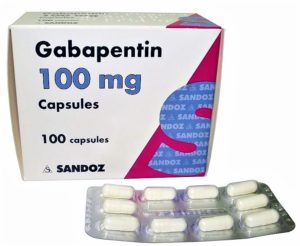
Ohio’s Board of Pharmacy began reporting sales of gabapentin prescriptions in its regular monitoring of controlled substances. The drug, which is not an opioid nor designated a controlled substance by federal authorities, is used to treat nerve pain. But the board found that it was the most prescribed medication on its list...surpassing oxycodone by more than 9 million doses. In February, the Ohio Substance Abuse Monitoring Network issued an alert regarding increasing misuse across the state...Gabapentin’s ability to tackle multiple ailments has helped make it one of the most popular medications in the U.S. In May, it was the fifth-most prescribed drug in the nation...law enforcement officials and drug counselors say the addition of gabapentin adds a new obstacle. As providers dole out the drug in mass quantities for conditions such as restless legs syndrome and alcoholism, it is being subverted to a drug of abuse. Gabapentin can enhance the euphoria caused by an opioid and stave off drug withdrawals. In addition, it can bypass the blocking effects of medications used for addiction treatment, enabling patients to get high while in recovery...
- Pharmacy Week in Review: July 13, 2017 (pharmacytimes.com)
Nicole Crisano, PTNN. This weekly video program provides our readers with an in-depth review of the latest news, product approvals, FDA rulings and more.
- Las Vegas doctor gets prison for drugging, raping patients (reviewjournal.com)

A Las Vegas doctor who drugged and raped patients was ordered Monday to serve 50 years to life behind bars...District Judge Kathleen Delaney called the case against Binh “Ben” Chung “abhorrent and unfathomable” and “incredibly disturbing” as she handed down the sentence...Chung testified...he had an ongoing consensual affair with one of the women, and that she was awake in the videos jurors watched, playing a role in his “Sleeping Beauty” fantasy...He said he had somnophilia, a fetish for having sex with someone who is unconscious. He also testified that the teenager prosecutors said he molested in another video was actually the woman with whom he claimed he had an affair...Chung, found guilty of 11 counts, including use of a minor in the production of pornography, kidnapping, battery with intent to commit sexual assault, and four counts of sexual assault, thanked the judge and attorneys on both sides, along with his family, but did not apologize...
- Industry paid $8.2B to docs, hospitals last year (biopharmadive.com)
Drug and device makers collectively made nearly $8.2 billion in payments to physicians and teaching hospitals in the U.S. last year, according to data made public by the Centers for Medicare and Medicaid Services last week...Payments for research made up more than half of the total, which also includes money given to doctors and hospitals for expenses like travel, gifts, speaking fees and meals. The $8.2 billion recorded last year was a notch higher than 2015's total and $320 million more than 2014's figure...Among the ranks of big pharma...Roche spent the most — a princely $586 million in payments. Novartis and Pfizer were close behind with more than $475 million each, although both made more research-related payments than Roche did...The data gives a snapshot of the enormous sums of money paid by the drug and device industries to doctors and hospitals. Most of the money goes towards research, payments for things like enrolling patients into new clinical studies or study implementation. Research payments can also include direct compensation to doctors…CMS began tracking payments in 2013 as part of changes to federal law through the Affordable Care Act, with 2016 marking the third full year of the program...