
- J&J discloses U.S. probe related to arthritis drugs (reuters.com)

...Johnson & Johnson said...the U.S. Justice Department has opened an investigation concerning management and advisory services provided to rheumatology and gastroenterology practices that bought two of its drugs...The...company said its Janssen Biotech Inc unit received a civil investigative demand from the Justice Department regarding an investigation under the False Claims Act related to its arthritis drugs Remicade and Simponi Aria...U.S. Attorney's Office...is seeking documents broadly relating to pharmaceutical co-payment support programs for hepatitis C drug Olysiotm, Simponi and Crohn's disease drug Stelara… also seeks documents relating to average manufacturer price and best price reporting to the Center for Medicare and Medicaid services related to those products...
- Pharmacy Week in Review: May 5, 2017 (pharmacytimes.com)
Nicole Crisano, PTNN. This weekly video program provides our readers with an in-depth review of the latest news, product approvals, FDA rulings and more.
- Utah launches campaign to fight opioid abuse, overdoses (ktvn.com)
Utah pharmacists will start putting red stickers on bottles of opioids that warn patients about the risk of overdose and addiction as part of a new awareness campaign to combat painkiller abuses and deaths…The Utah Department of Health's month long campaign kicks off Monday and is meant to encourage dialogue between pharmacists and patients about opioid risks…The new initiative is a collaborative effort by the health department, the Utah Pharmacy Association and the Utah Department of Commerce…The red stickers - which read "Caution: Opioid. Risk of Overdose and Addiction" - will prompt patients to ask pharmacists questions about their potentially addictive medications, said Greg Jones, chairman of the Utah Pharmacy Licensing Board...
- Nevada Coalition Seeks Unprecedented Insulin Refund Law (ktvn.com)Nevada lawmaker strips refund provision from insulin bill (ktvn.com)
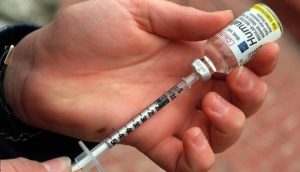
Aiming to rein in soaring prescription drug prices, an unlikely Nevada coalition is trying to force pharmaceutical companies to disclose how they set insulin prices - and issue refunds to diabetics or their insurance companies if annual price hikes surpass inflation...Las Vegas casino owners have banded together with their employees' unions of cooks, servers and other resort workers to support the unprecedented legislation in their effort to control their own medical insurance costs...The bill expected to face its first vote in early May would attempt to cap how much employers, insurers and corporate middle men pay for insulin...Lawmakers also hope the bill would cap what diabetics pay out of their own pockets near their current cost levels - typically between $50 and $600 per month, depending on diabetics' insurance coverage...It remains far from clear that the bill, if passed, would survive legal challenges or have the intended effect. But it would make Nevada the first U.S. state to force detailed release of drugmakers' proprietary information and effectively establish a price control on prescription drugs via the refund plan...
- WHO to help bring cheap biosimilar cancer drugs to poor (reuters.com)

The World Health Organization is to launch a pilot project this year to assess cheap copies of expensive biotech cancer drugs in a bid to make such medicines more widely available in poorer countries...The U.N. agency said...it would invite drugmakers in September to submit applications for pre-qualification of so-called biosimilar versions of two such drugs on its essential medicines list, Roche's Rituxan (rituximab) and Herceptin (trastuzumab)...The move is a boost for biosimilars which are expected to account for a growing proportion of treatments, particularly for cancer, as patents on the original branded products expire...The WHO plays a critical role in monitoring drug quality in poorer countries through its pre-qualification program, which ensures that treatments supplied by U.N. agencies such as UNICEF are of acceptable quality...
- Insulin makers targeted in pricing inquiries (biopharmadive.com)
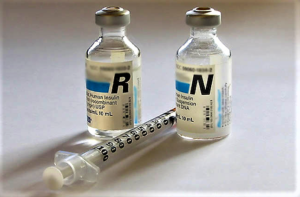
Buried deep in its first quarter earnings filing with the Securities and Exchange Commission, Eli Lilly & Co. disclosed it is being investigated for insulin pricing practices by the attorneys general of New Mexico and Washington. The Washington AG is looking at Lilly's relationship with pharmacy benefit managers...Insulin competitor Novo Nordisk has also said it is under investigation by the two AGs for pricing and trade practices for its insulin products, going back as far as 2005...Things are getting complicated at the moment for the big three in insulin. As well as the investigations by the attorneys general, last month, Sanofi, Novo Nordisk and Lilly, along with the pharmacy benefit managers CVS, Express Scripts and UnitedHealth's OptumRx, were slapped with a complaint and demand for a jury trial from the Type 1 Diabetes Defense Foundation.
- Brexit regulatory uncertainty ‘threatens UK med tech’ (reuters.com)

Regulatory uncertainty in the wake of Brexit could leave Britain's multi-billion-pound medical technology industry out in the cold, with separate regulatory systems threatening exports and jobs…That is the warning from the Institution of Mechanical Engineers…which…became the latest group to highlight the problem of regulatory uncertainty once Britain leaves the European Union…industries from aerospace to pharmaceuticals and chemicals fear Brexit may create a regulatory vacuum…the IME called on the British government to harmonize its post-Brexit rules with EU regulations on medical devices - a category covering everything from heart stents to walking aids - or risk losing billions of pounds in exports…Leaving the EU without the UK medical technology industry suffering considerable long-term damage, particularly for small businesses, will be a huge challenge…it is vital that the UK is able to maintain continuity with the EU CE certification processes, and enable UK manufacturers to export medical devices into the 100 billion euros European med tech market…
- This Week in Managed Care: May 5, 2017 (ajmc.com)
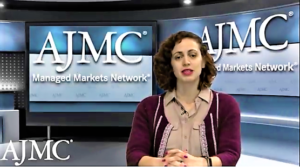
Laura Joszt, assistant managing editor at The American Journal of Managed Care. Welcome to This Week in Managed Care from the Managed Markets News Network
- Nevada Awarded More Than $5.6 Million to Continue the Fight Against Opioid Abuse (ktvn.com)
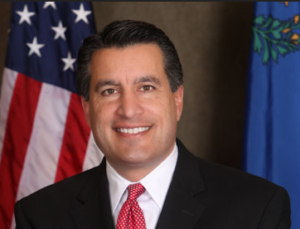
Governor Brian Sandoval's Office announced...that the state will receive a grant of more than $5.6 million to help combat opioid addiction...Nevada has received notice from United States Health and Human Services Secretary...Nevada will receive a $5,663,328 grant to combat opioid addiction. The funding, which is the first of two rounds provided for the 21st Century Cures Act, will be provided through the State Targeted Response to the Opioid Crisis Grants administered by the Substance Abuse and Mental Health Services Administration…“I would like to thank the Trump Administration, specifically Secretary Price and the members of our federal delegation who supported the 21st Century Cures Act. This funding will provide significant resources aimed at combating the opioid crisis, a sweeping epidemic which is hurting families across Nevada and our nation,” said Governor Brian Sandoval. “Nevada is committed to working collaboratively with medical professionals, stakeholders, and community advocates as we continue to tackle the significant health, social and economic consequences of prescription drug abuse.”
- Limits on doctor-drug rep interactions tied to prescribing changes (reuters.com)

Policies that limit or regulate interactions between doctors and pharmaceutical company representatives may affect what drugs are prescribed to patients, according to a new study...Drugs promoted by pharmaceutical representatives - known as detailed drugs - lost market share after hospitals enacted such policies, while drugs that weren't detailed gained market share...the findings suggest institutions and organizations can play a role in relationships between doctors and the drug industry..."Detailing" visits from drug representatives are one way to educate doctors about new drugs and treatments they would need to learn of elsewhere...those visits are linked to increased use of brand name and costly drugs even when less expensive generic treatments are available...The million dollar question is whether drug detailing and restrictions on detailing are affecting patient outcomes...