
- U.S. Doctors Still Over-Prescribing Drugs: Survey (realclearhealth.com)

Despite evidence that certain drugs aren't always necessary, doctors are still prescribing these treatments, a new survey of doctors reveals...Antibiotics are by far the drugs most frequently used in situations where they'll provide no value for patients. The survey found that more than a quarter of doctors surveyed (27 percent) said that antibiotics are often administered to patients when the drugs will do no good...antibiotics are prescribed to treat upper respiratory infections even though these are most often caused by viruses unaffected by the medication…Other treatments that doctors use frequently despite their questionable value include aggressive treatments for terminally ill patients (9 percent), drugs prescribed for chronic pain (7 percent), and dietary supplements such fish oil and multivitamins (5 percent), the survey revealed...Physicians also might be practicing defensive medicine to ward off potential malpractice suits, or trying to meet clinical performance measures that call for blanket treatments that must be applied to all patients...
- Mylan CEO accepts full responsibility for EpiPen price hikes, but offers little explanation (statnews.com)
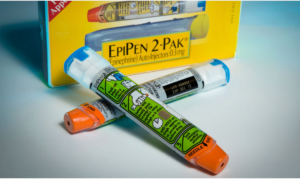
...Mylan Pharmaceuticals CEO Heather Bresch accepted "full responsibility"...for the price hikes that caused national outrage..."If EpiPen had to be the catalyst to show what hardworking families are facing, it will have been worth it," she said...referring to the upfront costs that many people encounter with high-deductible health plans. Mylan increased the price of an EpiPen two-pack nearly 550 percent to $608 over the past decade...Bresch reiterated remarks she made...at a congressional hearing...citing a lack of transparency in the pharmaceutical pricing system for the controversy surrounding the product. She justified the price increases by pointing to what she insisted were "investments" made to improve the device and patient access...the company has made plans to sell its own authorized generic version of EpiPen at roughly half the price. And...agreed to a $465 million settlement with the Department of Justice for shortchanging Medicaid over rebates...Meanwhile, the Federal Trade Commission was asked by various lawmakers to investigate whether Mylan violated antitrust laws because the contract for one option in the discounted school program, at one time, contained a clause forbidding school districts to buy rival products...
- What the Surgeon General Gets Wrong About Addiction (realclearhealth.com)

The Surgeon General's new report, "Facing Addiction in America," is the first time the office has explicitly addressed addiction to illicit drugs...the report is timely...(it) provides a solid summary of established findings, the Surgeon General perpetuates key misconceptions that have come to dominate the field of addiction.
- The first dubious claim is that addiction is a "brain disease."...the point of medicalizing addiction is well-intentioned: obtaining more funding for addiction research and treatment, combatting the "shame and stigma"...and softening criminal and other punitive approaches...over-medicalizing addiction shortchanges the crucial role of motivation in recovery. At the same time, it hypes the promise of medication...
- ...another logical lapse in the report, the Surgeon General presents a choice: "It’s time to change how we view addiction,"..."Not as a moral failing but as a chronic illness that must be treated with skill, urgency and compassion."...This may sound benign, and we of course support treating addiction with skill, urgency, and compassion. At the same time, the Surgeon General’s proposed choice is a false one.
- ...the Surgeon General subscribes to what we call the "shame narrative," the idea that people with drug problems are too ashamed to ask for help...has made people with substance use disorders less likely to come forward and seek help."...this sounds reassuring…Why insulate individuals from the adverse consequences of their behavior when those very consequences often motivate them to seek help?...Stigmatization is a normal dimension of human interaction; it can exert a civilizing effect on communities, and it is often the basis of the anti-drug messages we give to children...
- 21st Century Cures would require pharma to post policies on experimental drugs (statnews.com)21st Century Cures bill would weaken requirements for disclosing industry ties (statnews.com)Bernie Sanders attacks the 21st Century Cures Act and pharmaceutical industry ‘greed’ (statnews.com)
In a nod to patients clamoring for greater access to experimental medicines, the 21st Century Cures legislation would require companies to publicly disclose their policies for making such drugs available...The language in the bill, which is designed to jump start medical innovation, appeared after complaints that many drug makers make it difficult for patients and their physicians to sort out the process for gaining access to medicines that are not yet approved for use by the Food and Drug Administration...only 19 of 100 drug makers publicly post policies about their programs for obtaining experimental medicines...only one of those companies posted information about specific procedures for making requests, and this company did not list any contact information…the findings underscored arguments by patient advocacy groups and lawmakers that the process for gaining access to experimental medicines is unwieldy, which has also generated criticism of the FDA...
- 5 plead guilty to federal charges for roles in drug ring (reviewjournal.com)

Five defendants pleaded guilty to federal charges for their roles in a drug ring that shipped crystal methamphetamine and oxycodone...Justin Lowe, Brandon Trivett, Lamar Skipper, Tanner Curd and Gary Childress, each pleaded guilty to one count of conspiring to distribute methamphetamine or oxycodone. Separately, Skipper pleaded guilty to one count of conspiring to commit money laundering. A federal investigation found that traffickers were shipping the drugs from Las Vegas to southwest Virginia and eastern Kentucky via package delivery companies like FedEx and the United States Parcel Service...The operation generated at least $1 million in drug proceeds and the money was transferred through bank accounts or wired...
- This Week in Managed Care: December 2, 2016 (ajmc.com)
Sara Belanger with The American Journal of Managed Care. Welcome to This Week in Managed Care from the Managed Markets News Network
- House Just Passed the Biggest Health Reform Bill Since Obamacare (fortune.com)

The House of Representatives on Wednesday night overwhelmingly passed wide-ranging legislation meant to overhaul the drug approval process, boost biomedical research, and many other significant health-related policies. The so-called 21st Century Cures Act was approved on a 392-26 vote and will head to the Senate for consideration next week...The bill aims to speed up the approval for drugs and medical devices through a variety of tweaks to the Food and Drug Administration. But it also encompasses a host of other big initiatives, including more than $5 billion in funding for the National Institutes of Health and money to help the FDA; $1 billion for tackling the opioid epidemic; and provisions that are meant to help pair Americans who suffer from serious mental illnesses with available psychiatric beds...
- FDA finalizes quality guidelines for contract manufacturers (biopharmadive.com)
The Food and Drug Administration has finalized guidelines, three-and-a-half years in the making, suggesting what should go into quality agreements between pharmaceutical companies and outsourced contract manufacturers...The agency's recommendations come at a time when fully two-thirds of pharmaceutical manufacturing is outsourced, putting significant demand on contract manufacturing organizations (CMOs)…Current Good Manufacturing Practice requirements apply to all contract facilities, including analytical testing labs...FDA recommends that owners and contract facilities implement written quality agreements delineating manufacturing activities to facilitate compliance with CGMP. The agency suggests that quality contracts between companies and CMOs include the purpose and scope of contract manufacturing services to be provided; provisions on how to resolve disputes and how to change manufacturing processes, and contract revision policies...
- Pharmacy Week in Review: December 1, 2016 (pharmacytimes.com)
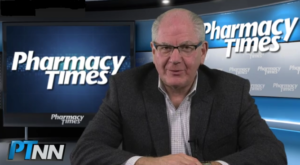
Ed Cohen, Executive Vice President Pharmacy Advocacy, Pharmacy Times, This weekly video program highlights the latest in pharmacy news, product news, and more.
- Drug regulation: 27 medicines sold by top firms ‘fail’ quality tests in seven states (indianexpress.com)

In a major crackdown...the drug regulators of seven states have alleged that 27 medicines — sold by 18 major drug companies in India including Abbott India, GSK India, Sun Pharma, Cipla and Glenmark Pharma — are of "substandard" quality, citing grounds such as false labelling, wrong quantity of ingredients, discolouration, moisture formation, failing dissolution test and failing disintegration test...These include key drug brands of eight top-tier companies, which are the leaders in their respective molecule categories with a market share ranging from 47 per cent to 92 per cent. Of the 18 companies, only two said they had stopped sale of the affected drug batches and just one said the affected batch had been recalled from the market...Only eight companies responded to specific queries sent by The Indian Express on the findings of the regulators. Among the reasons they cited were: drug batches were picked up for testing from an "unofficial distributor"; no "labelling requirement" as drug batch was meant for the World Health Organisation; a batch of "counterfeit" drugs were picked up for testing; test conducted on the drug was "not necessary"; testing methodology "incorrect"; the company was doing contract manufacturing for someone else; "inappropriate storage" and "handling" in the marketplace (retailer).