
- Adapt Pharma launches Narcan Now app (drugstorenews.com)

Adapt Pharma, maker of Narcan (naloxone) Nasal Spray announced...the launch of its smartphone app Narcan Now. The app provides patients information about how to recognize the signs and symptoms of an opioid overdose, an instructional video and a three-step administration guide for Narcan Nasal Spray, as well as emergency services access...The app is available through the iTunes App Store for iOS devices and the Google Play store for Android devices.
- Federal court reverses dismissal of class-action suit against Pfizer over pain drugs (biopharmadive.com)

A federal appeals court reversed a previous dismissal of a class-action lawsuit against Pfizer, ruling the case was wrongfully dismissed...The verdict, from the 2nd U.S. Circuit Court of Appeals...sends the shareholder lawsuit back to the district court judge who originally heard the case...The lawsuit alleges Pfizer mislead shareholders about the safety of the company's Celebrex and Bextra pain-relieving drugs. A group of Pfizer investors initiated the suit in 2004, claiming the company concealed cardiovascular risks associated with Celebrex and Bextra, two COX-2 inhibitors approved as anti-inflammatories. In the mid-2000's, evidence mounted showing that COX-2 inhibitors significantly increased the risk of certain CVD events...In dismissing the case, the federal appeals court also ruled U.S. District Judge Laura Taylor Swain erred in refusing to allow expert testimony from a former Univeristy of Chicago Law School dean, Daniel Fischel, about potential damages to shareholders.
- California bill would require drug makers to report 10 percent price hikes (statnews.com)Pharmaceutical Cost Transparency Act - AB 463 (leginfo.ca.gov)

In the latest effort to push back against drug costs, the California legislature will hold a hearing on Wednesday to review a bill that would require companies to report any move to increase the list price of a medicine by more than 10 percent during any 12-month period. And drug makers would have to justify price hikes for medicines with a list price of more than $10,000 within 30 days of making such a move...The legislation, which would also require insurers to provide regulators with spending data on prescription medicines...The...bill "will bring prescription drugs in line with the rest of the health care sector by shedding light, for the first time, on those drugs that are having the greatest impact on our health care dollar," said state Senator Ed Hernandez...The Pharmaceutical Research and Manufacturers of America...in its own letter opposing the bill, argued that the reporting requirements are "extraordinarily broad" and would potentially apply to many drugs for which the impact of a price hike on insurance premiums would be "essentially" minimal and "would reflect an imperceptible change in the total cost of care."...BioCom maintained that the bill fails to require payers and pharmacy benefits to similarly disclose their reasons for increasing copayments, deductibles, and out-of-pocket expenses for consumers...
- CRISPR Dispute Raises Bigger Patent Issues That We’re Not Talking About (realclearhealth.com)
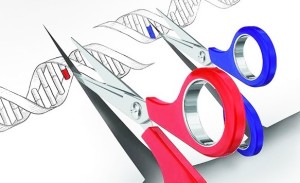
The worlds of science, technology and patent law eagerly await the...government’s decision on who deserves patents on what many have referred to as the biotechnology invention of the century: the CRISPR/Cas9 gene-editing technique...Scientists hail CRISPR/Cas9 as more accurate and efficient than other, now-traditional genetic engineering methods...CRISPR has generated worldwide debate about how it could accelerate the manipulation of plants, animals and even human beings at the molecular level. That some DNA modifications can be passed on to future generations raises particular concern...But the patent dispute, focusing on whether scientists at the Broad Institute of MIT and Harvard or those at University of California, Berkeley invented the technology, seems far from these ethical concerns...the...Patent and Trademark Office, which will make a decision in the next few months...But amid all the breathless anticipation, we’ve been ignoring two important lessons from the CRISPR/Cas9 patent dispute: patent systems no longer fit the realities of how science works, and patents give their owners significant control over the fate and shape of technologies.
- Do we need patents to stimulate innovation?
- Power of patents, in absence of regulations
- CRISPR’s future use in one institution’s hands
- Prices for brand-name drugs inch up about 3 percent in 2015 (statnews.com)
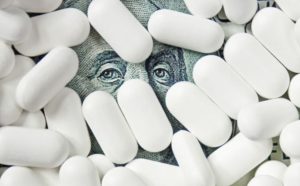
Even as overall spending on prescription medicines in the United States rose 8.5 percent last year, prices for brand-name drugs rose just 2.8 percent, which represents a steady decline from recent years...By way of comparison, brand-name drug prices rose 9.1 percent in 2012 and continued to rise over the past two years, although at a slower pace — 5.1 percent in 2014 and 4.9 percent in 2013...We’re seeing a significant slowdown in price growth on a net basis...the trend suggests that payers — pharmacy benefits managers and insurers — are having some success pushing back against rising prices, an issue that has caused national outrage and placed the pharmaceutical industry on the defensive...spending on specialty medicines — a fast-growing category that includes treatments for hepatitis C, oncology, and autoimmune diseases — doubled over the past five years. These medicines accounted for 70 percent of the overall increase in spending between 2010 and 2015...Demand was higher for therapies such as those for treating depression and diabetes, which registered about 10 percent increases, while there was a nearly 17 percent drop in the number of narcotic prescriptions dispensed.
- WADA makes meldonium U-turn, could affect Sharapova ban (reuters.com)

Athletes who tested positive for meldonium before March 1 could have bans overturned less than four months before the Rio de Janeiro Olympics after WADA said it was unable to establish how quickly the drug...cleared the human body...The World Anti-Doping Agency's notice to national anti-doping bodies is expected to have a major impact on many of the 172 athletes who have tested positive for the performance-boosting drug since January...They include five-times grand slam tennis champion Maria Sharapova, who was among 40 Russian athletes to test positive for the drug after it was added to WADA's list of banned substances in January...In these circumstances, WADA considers that there may be grounds for no fault or negligence on the part of the athlete...adding that the presence of less than one microgram of meldonium in the samples was acceptable...The fact that WADA felt compelled to issue this unusual statement now is proof of how poorly they handled issues relating to meldonium...The Russian Sports Ministry supports and welcomes the decision made by WADA because it has shown a willingness to understand the situation, rather than stick to the rulebook...WADA has demonstrated impartiality and being objective in the fight against doping...
- Cashing In on Opioid War: Alkermes and Its $1,300-a-Month Shot (bloomberg.com)
A decade-old drug that was once seen as a commercial flop is getting a second chance to thrive as the fight against the opioid abuse epidemic shifts toward medical treatment in the U.S...Alkermes Plc’s Vivitrol, a $1,300-a-month shot that helps kill the high from painkillers and heroin, is poised to get a sales boost after President Barack Obama’s recent push to give millions of Americans better access to addiction medicines through expanded Medicaid coverage and extra budget funding...Alkermes is getting support from governors, police chiefs and judges who helped start more than 100 programs offering Vivitrol with counseling across 30 states...Nobody steals Vivitrol. Nobody traffics it unless they want to get sober...Vivitrol’s sales revival 10 years after its introduction is unusual in the pharmaceutical industry...The active ingredient in Vivitrol, naltrexone, binds to the same receptors in the brain as opioids and blocks the pleasurable feelings associated with taking narcotics...Designing drugs for addicts comes with thorny challenges: How do you prevent addicts from becoming addicted to the addiction treatment, and how do you prevent them from selling it to other addicts?
- Express Scripts wrangles with small mail-order pharmacy (statnews.com)

A small mail-order pharmacy, which ships presorted packets of medicines to its customers, is waging a David-versus-Goliath battle with Express Scripts, the nation’s largest pharmacy benefits manager...PillPack has been part of the Express Scripts network of pharmacies...Recently...Express Scripts decided to cancel its contract with PillPack...PillPack chief executive, claims that Express Scripts is making this move because the company doesn’t want another mail-order pharmacy in its network to compete with its own mail order business...Express Scripts spokesman said the dispute with PillPack is purely about contract requirements...PillPack is "innovative and could be in our network, but hasn’t followed the rules and regulations." He argued that PillPack ships medicines to some states where it doesn’t have a pharmacy license; declared itself to be a retail pharmacy when it primarily does mail order business; and isn’t accredited by a national health care organization...PillPack is licensed across the continental United States, although it did encounter administrative problems in one state that have since been corrected...Express Scripts spokesman maintained that "we don’t see them as a threat. "We see them more as a collaborator especially in terms of patient adherence. But they have to follow the rules,"...
- Biosimilars gain momentum — and pharma leaders are noticing (biopharmadive.com)
Biosimilar development in the U.S. appears to be gathering momentum, following the approval of Celltrion and Pfizer’s Remicade copy by the Food and Drug Administration in early April...The drug, marketed as Inflectra, is only the second biosimilar to clear regulatory review in the U.S., after Sandoz’s Zarxio in March 2015. But there are a number of other biosims entering late-stage development or with applications filed at the FDA... And with several blockbuster biologics nearing patent expiry, competition is likely to increase...Biosimilars promise to increase competition and lower prices across a number of other blockbuster biologics. They also represent new avenues of growth for companies seeking to enter previously protected markets...There is still a long way to go before biosimilars have anywhere near the market impact of generic drugs in the U.S...Biosimilars are still very much in early stages domestically...biosimilars look set to present a number of important opportunities and challenges to the U.S. biopharma landscape...
- 9 Drugs That Cost Medicare a Fortune (fool.com)
...Medicare is in trouble...The program -- designed to protect our nation's senior citizens by covering some of the eligible costs tied to their hospitalization and outpatient care -- is on an unsustainable course...the Hospital Insurance Trust Fund stands just an estimated 14 years away from burning through its excess cash reserves...2030 would be the year Medicare's HI Trust exhausts its cash reserves...Once the cash reserves...are exhausted, hospitals would only be reimbursed at a rate commensurate to what the program brings in via payroll tax revenue...Medicare's prescription drug problem...prescription drug costs that Medicare Part B covers...include injections given on an outpatient basis by a physician...the real culprits the GAO report identified for rising Medicare Part B expenses are new Part B prescription drugs...between 2007 and 2013, new prescription drug introductions...83 in total, added $5.4 billion in costs to Part B...almost two-thirds of Part B new drug treatments are for ophthalmologic or cancer-based diseases...these are not inexpensive indications...Nine drugs wreaking havoc on Medicare's bottom line (total expenditures in 2013)...
- Lucentis: $1.37 billion
- Eylea: $1.09 billion
- Prolia: $665 million
- Treanda: $332 million
- Lexiscan: $257 million
- Yervoy: $224 million
- Privigen: $184 million
- Provenge: $183 million
- Soliris: $150 million