
- AstraZeneca sells drug for $70 million as divestment drive continues (reuters.com)
AstraZeneca has sold rights to a non-core drug to a unit of Kyowa Hakko Kirin for an upfront payment of $70 million, a day after getting $500 million for two ageing heart medicines...The British-based drugmaker has been divesting peripheral products to help pay the bills as it invests in new medicines, while taking a profit hit from the loss of patent protection on a raft of former blockbusters...Such divestments, or "externalization" deals, contributed $1.1 billion to revenue last year and the company has said the figure is likely to be higher in 2016.
- Another Court Weighs In on Whether Off-Label Promotion is Per Se Illegal; Jury Finds Both Defendants Not Guilty on All Counts (fdalawblog.net)

On February 25...upon conclusion of the...criminal case...United States v. Vascular Solutions, Inc...Judge Lamberth charged the jury...The case involves allegations that...a medical device company and its president, engaged in an unlawful off-label marketing campaign. The government’s superseding indictment alleged that the defendants engaged in a criminal conspiracy to violate the Federal Food, Drug, and Cosmetic Act, and committed four counts of selling misbranded medical devices...After deliberating for one day, the jury came back with a verdict of "not guilty" on all counts for both the company and its CEO...FDA’s ability to restrict speech that is truthful and not misleading is limited...FDA has long stated that the dissemination of information about unapproved uses can be important for medical professionals, and so long as the information is distributed according to certain guidelines...promotional speech itself would not be evidence of misbranding so long as the speech was solely truthful and not misleading. This position is consistent with a growing trend among courts to find that truthful and not misleading promotional materials may be distributed by a company without violating the misbranding provisions of the FDC Act...given the growing willingness of companies to challenge FDA’s regulation of off-label promotion, their success in doing so, and court decisions indicating...an unapproved use does not violate the misbranding provisions...DOJ and FDA must carefully consider how to proceed in bringing charges of off-label promotion.
- Swedish industry wants European medicines agency if UK quits EU (reuters.com)EFPIA Statement on Brexit (efpia.eu)

Sweden should become the new home of the European Medicines Agency if Britons vote to leave the European Union in a June referendum, according to the head of the Swedish pharmaceutical association...The agency, which approves medicines for all EU countries, has been based in London since it started in 1995. However, a so-called Brexit would leave Europe's equivalent of the U.S. Food and Drug Administration outside the bloc and could force a move...Shifting to Sweden would make sense, given the country's scientific strength and the leading role Swedish experts already play in European drug regulation…If the referendum in the UK results in a 'no' to the EU, the government should immediately launch an intensive lobbying campaign to make Sweden the new host country for the EMA...Many pharmaceutical executives also see a move as inevitable and they fear that a British "Out" vote would disrupt healthcare regulation in the world's biggest trading bloc...
- The biosimilar ploy that could save billions in health care costs (statnews.com)
As drug makers race to develop cheaper versions of complicated biologic medicines, some companies are pursuing a tactic that could prove a win for themselves, patients, and the health care system as a whole...They are running studies designed to convince doctors and insurers that patients can be easily switched from expensive biologics...to so-called biosimilars, which are almost identical variants. Their goal is to encourage these kinds of switches without waiting for the Food and Drug Administration to decide whether a particular biosimilar has the exact same clinical benefit as its expensive, brand-name counterpart...Standard FDA approval is good enough for physicians to write prescriptions, but only an "interchangeable" designation will enable pharmacists to substitute a biosimilar for a brand-name biologic without contacting doctors for permission first...more and more companies are eyeing switching studies as a shortcut to expanded market share...drug makers are pursuing this workaround that, as an upshot, could bring lower-cost medicines to more people...
- His Job Is to Sell a $1,000 Pill for $10 Without Losing Money (bloomberg.com)

Gregg Alton has what seems like a disorienting job at Gilead Sciences Inc. He’s paid to figure out how to sell the drug Sovaldi, which infamously retails in the U.S. at $1,000 a pill, for relatively next to nothing...The instructions for pricing the cure, which wipes out hepatitis C in just 12 weeks, basically go like this: "Get to as many patients as possible in low-income nations --and not lose money," Alton says. "It’s very simple."...Actually, it’s not so simple, but it is controversial. Decisions about what to charge around the world for life-saving remedies have spurred debate ever since Big Pharma began offering some discounts after a backlash in the ’90s, when groundbreaking HIV treatments reduced deaths in wealthy countries and not poor ones. Criticism has been harsh with Sovaldi, one of the most expensive and best-selling drugs in history...He offers a rare look at how a pharmaceutical giant walks the line between shareholder expectations on the one hand and global public health needs on the other. It starts with his team looking at the map through the lens of per-capita income. Countries that are well-off go into one bucket. The rest are sorted by wealth and rate of hepatitis C infection...What’s frustrating, he says, is that the good Gilead does in other countries is overshadowed by reverberations from the U.S. sticker shock. However his company tries to explain the value it brings to patients, it can’t compete, he says. "It’s never going to be as powerful as ‘$1,000 a pill? Is that fair?’"
- Can PhRMA’s New Boss Help Change The Industry’s Image? (forbes.com)
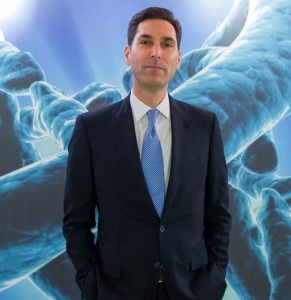
The reputation of the pharmaceutical industry continues to plummet. A day doesn’t go by without seeing at least one negative news story about... drug pricing...stories about how unaffordable drugs are or about how a family has gone into bankruptcy as a result of paying for a lifesaving medication...millions of dollars paid in fines by companies for the illegal detailing of drugs... Companies continue to be dogged by accusations of hiding clinical data...Direct-to-consumer ads are also a lightning rod...It’s not a happy time for the industry...The industry’s trade association, the Pharmaceutical Research and Manufacturers of America is charged with representing the industry on a host of issues, including improving its reputation...Well, PhRMA has a new leader, Mr. Stephen J. Ubl... he couldn’t have picked a more difficult time to assume the mantel of industry spokesperson. If there is one issue...it is that the pharmaceutical industry needs to be reined in, particularly with respect to drug prices. There couldn’t be a bigger bullseye on the pharmaceutical industry...Mr. Ubl has the opportunity to change the tone of the current pricing debate as well as the other issues that impact the pharmaceutical industry’s reputation...Hopefully, he can start to turn the tide and begin to bring the industry back to the esteem that it enjoyed twenty years ago.
- Bayer’s Aleve and GSK’s Flonase top list of OTC TV ad spenders for 2015 (fiercepharmamarketing.com)
In a head-to-head prescription versus over-the-counter drug battle, prescription wins. At least when it comes to advertising...TV ad spending for the top 10 prescription drugs tallied $876.3 million, while over-the-counter spending among the top 10 brands totaled just $514 million for TV ads in 2015…Bayer's pain reliever Aleve topped the OTC list with almost $75 million in TV spending. Aleve also had the highest number of different TV spots as well with 23 creative executions running in 2015. GlaxoSmithKline's Flonase at No. 2 was no surprise after the drug went off patent and GSK went on an aggressive push to keep the brand thriving through the spring allergy season...The top 10 OTC list by estimated TV media spending by iSpot.tv for 2015 follows:
- Aleve (Bayer): $74.5 million
- Flonase (GlaxoSmithKline): $73.1 million
- Claritin (Merck): $58.4 million
- Advil (Pfizer): $58.3 million
- Nasacort (Sanofi): $50.3 million
- Alka-Seltzer (Bayer): $49 million
- Allegra (Sanofi): $43.8 million
- Tylenol (J&J): $37 million
- Nexium (Pfizer): $36.3 million
- Zyrtec (J&J): $33.1 million
- Takeda aims to unlock $2B in Entyvio sales with multipronged DTC push (fiercepharmamarketing.com)

Takeda is going behind closed doors with its first DTC campaign for Entyvio (vedolizumab), a new biologic treatment for inflammatory bowel diseases. Bathroom doors, that is...The Japanese drugmaker uses a series of bathroom doors in its ad campaign, asking if it's "time for a different perspective." A...TV spot launched Feb. 7...has racked up $2.9 million on more than 2,000 airings...This condition is such an isolating condition and such a stressful condition. Patients are kept from doing the important things they want to be doing in their lives and as a result they miss out on a lot...In testing many different creative ideas with Crohn's and ulcerative colitis patients...the bathroom doors resonated well because patients noted it is a view they are all too familiar with...But some patients even took it to the next level in saying that the doors metaphorically represent that barrier between their disease and being able to do all of the things they want to do. Emotionally, we've touched upon the reality of their disease in a very obvious bathroom door representation, but also a representation of just barriers in general...Analysts have projected blockbuster-level sales for Entyvio by 2020...Marketing will be key to gaining share in a crowded IBD space where it's up against established...brands such as AbbVie's Humira, Amgen's Enbrel, and Johnson & Johnson's Remicade...
- NHS England approves Cancer Drugs Fund plans (pharmatimes.com)NHS plan to reassess value of cancer drugs alarms patient groups (theguardian.com)
The...controversial Cancer Drugs Fund will be replaced by a new fund controlled by the National Institute of Clinical Excellence from July this year... officials have now waved through proposals that will see the CDF switch to a ‘managed access’ fund...the current CDF list will be rolled over but will remain closed to new drugs pending the start of the new scheme in July...The operational detail of the new scheme will be developed over the coming months, but NHS England insists that it will help provide faster access to the most promising new cancer treatments for patients, drive stronger value for money for the taxpayer, and for drug companies willing to price their products "responsibly," offer a new fast-track route to NHS funding...Industry reaction... largely unchanged proposals that carry a very real risk of significantly setting back patient access to cancer medicines, now and for the foreseeable future...if cancer medicines go through more or less exactly the same NICE appraisal process that was in place five years ago - which necessitated the setting up of the CDF in the first place - we will largely get the same answers as before - the majority of medicines will be turned down...The Government needs to come clean about the impact of these proposals on cancer patients by publishing an assessment of their impact...
- Those PBM moves pharma loves to hate? They work, CVS says–so get used to them (fiercepharma.com)
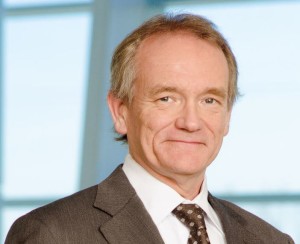
CVS Chief Medical Officer Troyen Brennan
Drugmakers may not be too keen on the formulary management techniques and exclusive deals pharmacy benefits managers have been using to combat rising drug prices. But new numbers from a PBM giant suggest they work--and that pharma better get used to them...CVS Health announced that its prescription drug trend--a metric for growth in prescription spending--had dropped to 5% in 2015, down from an all-time high of 11.8% in 2014. And with many of the usual drivers staying consistent over both periods--including brands and price inflation among generic and specialty drugs—the company is chalking up the drop as proof its tactics are doing their job...CVS' "proactive pharmacy management strategies were successful in mitigating the impact of rising drug costs in today's highly volatile prescription drug market,"..."[W]e work to help patients avoid unnecessarily expensive medications as part of our focus on making prescriptions affordable."..CVS and its main rival, Express Scripts, have both been actively pruning their preferred formularies over the past few years…Unsurprisingly, pharma hasn't taken too kindly to the moves, but some companies have been more accepting of the current climate than others...GlaxoSmithKline and Novartis, to name a couple, have been working to avoid payers' wrath...