
- Opioid abuse propels record U.S. deaths from overdose: CDC (reuters.com)Under pressure, CDC delays release of opioid prescribing guidelines (statnews.com)
U.S. deaths from drug overdoses hit a record high in 2014, propelled by abuse of prescription painkillers and heroin, the Centers for Disease Control and Prevention said on Friday...Drug overdoses increased 6.5 percent in 2014 from a year earlier, killing 47,055 people. The highest rates of death from overdose were seen in West Virginia, New Mexico, New Hampshire, Kentucky, and Ohio, the CDC report said...Deaths from opioids such as prescription pain killers and heroin accounted for 61 percent of overdose deaths and increased 14 percent in 2014, the CDC said...Lower heroin prices, wider availability and higher purity are causing more overdoses, the agency reported. It recommends stricter guidelines for prescribing pain killers, expanded availability and wider access to naloxone, an antidote for opioid-related overdoses.
- Pharmacy Week in Review: December 18, 2015 (pharmacytimes.com)
Mike Glaicar, Business Development: Pharmacy Times...(PTNN) This weekly video program highlights the latest in pharmacy news, product news, and more. (video)
- Lack of cyber security draws hackers to hospital devices (ft.com)

Imagine if simply typing “password123” into a computer did not open your email account, but an internet-connected medical device responsible for feeding you drugs or monitoring your blood oxygen or insulin levels...It may sound like the nightmare stuff of fiction, but the lack of basic cyber security on hospital equipment is attracting hackers who want to use them as a way to enter medical networks...Experts say that while they have not yet seen someone die as a result of hacking, the risks are growing...Motives for attacks could range from wanting to harvest patient information or stealing intellectual property from medical trials to simply wanting to create chaos...Devices with default passwords that are left unchanged, and outdated operating systems that are connected to the network, such as medical databases, are all too common in healthcare...Each provider needs to carefully examine for themselves what types of risk are being brought in by new devices. They will have to give careful consideration to making sure they are kept up to date, behind firewalls and in networks segmented off from key medical and personnel data…
- Mr. Mucus-repped cough meds get the most positive buzz online (fiercepharmamarketing.com)

Mr. Mucus
Score one for Mr. Mucus. A new study found that the slimy spokes-character helped propel Reckitt Benckiser's family of Mucinex brands to three of the top four slots on a new list of preferred OTC cough-and-cold medicines. Treato, the online data-analysis company, created the list by analyzing findings from more than 5 million patient-written online posts and reviews...Mucinex D was No. 1, earning 4.6 (5-point satisfaction scale), followed by Delsym, which is also a Reckitt brand. Mucinex and Mucinex DM ranked Nos. 3 and 4, with Pfizer's Robitussin DM and Dimetapp brands tied at No. 5...Reckitt Benckiser's investment in DTC advertising is clearly paying off as consumers are disproportionately discussing their brands online...
- Prices for many generic drugs rising faster than inflation (modernhealthcare.com)
Prices rose faster than inflation for 22% of top generic drugs reviewed between 2005 and 2014, according to a report released Thursday by HHS' Office of Inspector General....Had those generic drugs been subject to the same requirement that branded drugs face—where manufacturers pay additional rebates to Medicaid when the price of a drug increases faster than inflation—Medicaid would have pulled in $1.4 billion in rebates for the top 200 generic drugs, according to the report...The OIG produced the report in response to a request from Congress to examine recent increases in generic drug prices and the effects of those prices on Medicaid and Medicare drug spending...the OIG didn't make any recommendations, noting that that the two-year budget deal recently passed by Congress would extend the rebates to generics starting in 2017. In a previous, similar report, OIG had recommended CMS consider seeking legislative authority to broaden the rebate program.
- Will Independent Specialty Pharmacies Disappear in the Future? (specialtypharmacytimes.com)

National Association of Specialty Pharmacy Executive Director James E. Smeeding, RPh, MBA, discusses the trend of larger entities absorbing independent specialty pharmacies.
- 3 Exotic Diseases Pharmacists Should Know (pharmacytimes.com)
Pharmacists should learn how to properly diagnose foreign-acquired diseases in order to optimize outcomes for infected patients...these diseases are rarely seen in US emergency departments, health-system pharmacists might nevertheless encounter them during their careers...It’s important to recognize these diseases and know what you need to help them, [but] you don’t need to be an expert...Pharmacists can also play a role in preventing these diseases by reminding patients that they must follow their entire prescribed regimen when taking drugs prior to travel...The following are some exotic diseases primarily coming from Southeast Asia that pharmacists should know:
- Malaria
- Dengue Fever
- Typhoid Fever
- FIP publishes guide to help pharmacists establish tobacco-free communities (fip.org)
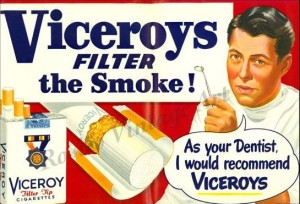
In time for the quit smoking New Year resolutions that are anticipated at the end of this month, the International Pharmaceutical Federation has outlined the wide variety of different ways in which pharmacists can reduce the use of tobacco through a new publication. The briefing document, "Establishing tobacco-free communities: A practical guide for pharmacists", gives a number of examples from around the world, showcasing pharmacists’ value in performing health promotion, triage and referral as well as other interventions.
- PhRMA launches biologics and biosimilars online resources (catalyst.phrma.org)

Biological medicines often represent the cutting-edge of biomedical research and have revolutionized the treatment of a variety of medical illnesses and conditions that presently have no other treatments available. A biosimilar product is exactly what its name implies — it is a biologic that is "similar" to another biologic drug already approved by the FDA. To help increase awareness and understanding of the important scientific, regulatory and reimbursement policies for these medicines, PhRMA is excited to launch a new section of our website today that provides educational resources on these topics.
- How biologics and biosimilars work;
- What data protection measures are in place to promote research and development of these medicines; and,
- How science-based regulatory policies protect patient safety and facilitate health care provider and patient choice.
Our goal is to create a comprehensive source of information on biologics and biosimilars, so that we can help improve awareness, science and evidence-based decision-making and patient choice. To access the new biologics and biosimilars web page, go to: Biologics and Biosimilars
- Two serialization companies team up to tackle counterfeit pharmaceuticals (americanpharmacynews.com)Prohibition on proactive serialization for the EU FMD (securingindustry.com)

Systech International and Servicepoint recently joined forces to provide serialization and automation solutions to the pharmaceutical manufacturing industry...Internationalization, outsourcing, e-tailing and the expansion of international trade zones have created enormous complexities throughout the supply chain and product life cycle...This has resulted in a rapid escalation of global counterfeiting issues, threatening consumer safety like never before...Systech is known to have pioneered serialization and is becoming a model for the future of authentication. It unifies and protects the supply chain through...authentication and track and trace technologies that ensure regulatory compliance and reduce risks. These technologies have been used not only in the pharmaceutical industry, but also in industries, such as life science and consumer packaged goods...As part of a regulation adopted by the European Commission in October, the serialization of prescription medicine packages will be mandatory in all European Union countries by 2019. There are currently 15,000 prescription medicine production lines in Europe, and some may have to be either replaced or automated in order to put serialization into effect.